A $12,000 German V8 can become a $20,000 first-year commitment when deferred maintenance and one major repair arrive together. Price the repair exposure before the badge.
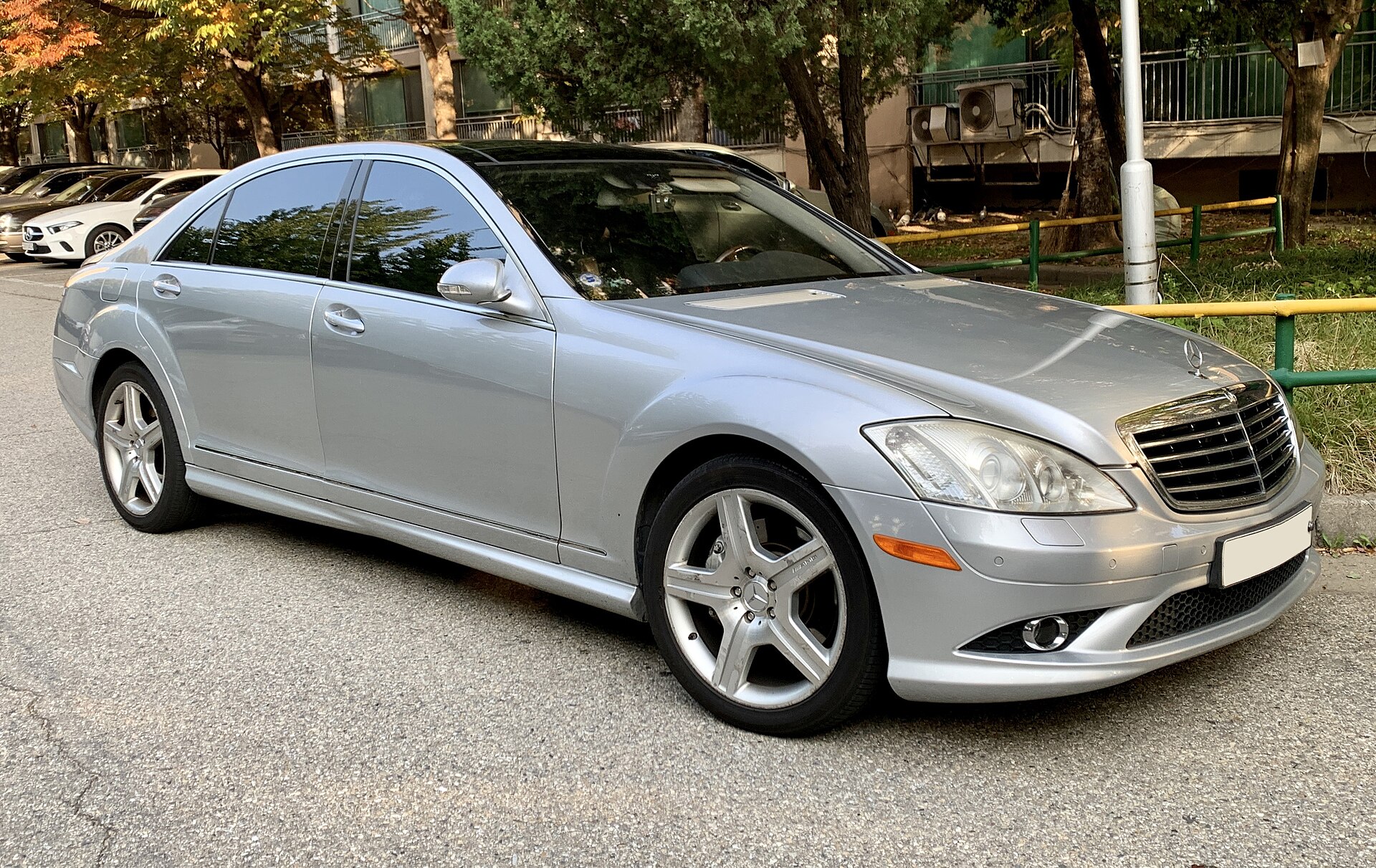
- The $8,000 first-year bill is not a prediction; it is a realistic stacked-risk scenario when two major systems and overdue baseline maintenance arrive together.
- “German V8” is not one risk category. A Mercedes-Benz M273, BMW N62 or N63, and Audi 4.2 have different failure patterns, access costs, and affected production ranges.
- A clean cold start, a fully hot idle, a manufacturer-capable scan, and service invoices matter more than a polished listing or a low monthly payment.
- Treat the purchase as asking price + immediate baseline + repair reserve. If that total breaks the budget, the car is already too expensive.
01The badge depreciated. The labor did not.
Luxury V8 sedans and SUVs can lose 80% or more of their original price while still requiring premium tires, complex suspension components, tightly packaged engine work, and brand-specific diagnostics. The second owner buys the vehicle at a discount; the shop still services the original machine.
Here is how a hypothetical $12,000 purchase can become a $20,000 first-year commitment. These are planning ranges—not quotes—and they should be replaced with local estimates for the exact VIN:
| Year-one cost layer | Illustrative planning range | What changes the number |
|---|---|---|
| Pre-purchase inspection and baseline fluids | $500-$1,200 | Specialist rate, records, fluid condition |
| Air-suspension or adaptive-damper repair | $1,500-$3,500 | One corner versus compressor, valve block, or multiple struts |
| Oil-consumption or major oil-leak diagnosis/repair | $1,500-$5,000+ | Engine family, access, seals, guides, or turbo involvement |
| Timing-drive or idler-related work | $2,000-$5,000+ | Engine serial range, parts affected, engine access |
| Tires, brakes, battery, and neglected wear items | $1,200-$3,000 | Wheel size, rotor design, brand, and remaining life |
The point is not that every car needs every repair. The point is that one overdue system can erase the apparent bargain, and two can create the $8,000 year-one shock.
Technical Deep Dive 01Shop by engine family and production range
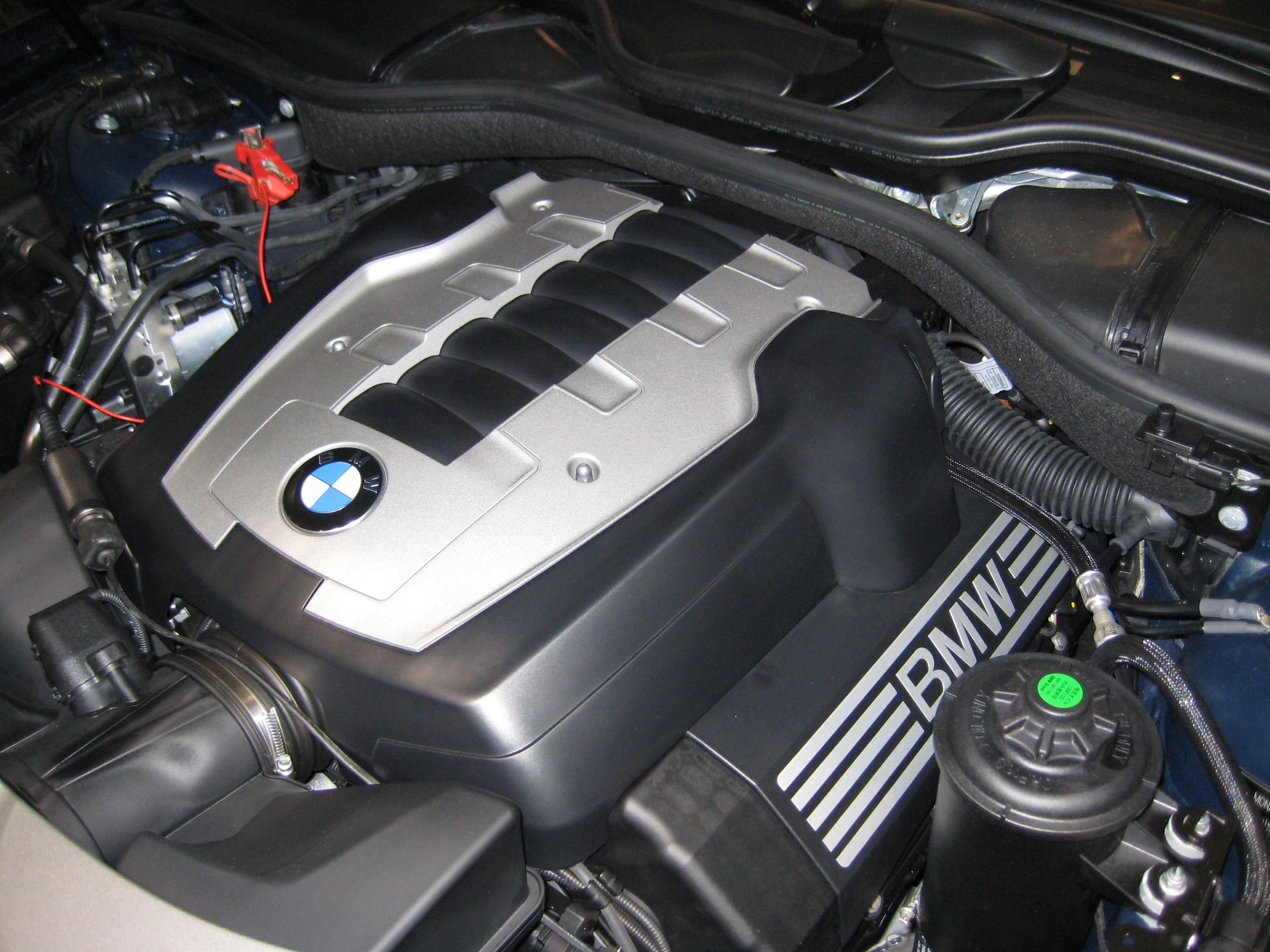
The Mercedes-Benz M273 conversation should include the exact engine serial range, cold-start behavior, intake operation, cooling history, and whether any applicable timing-idler work has documentation. The BMW N62 conversation should include hot-idle smoke, oil consumption, coolant-transfer and alternator-bracket leak evidence, and valve-stem-seal symptoms. The twin-turbo N63 adds an entirely different heat, turbo, oil-return, and campaign history. Audi’s 4.2-liter risks also vary sharply by generation and layout.
A forum list is not a diagnosis. BMW’s own service material for certain N63 vehicles, for example, describes a structured oil-consumption and smoke diagnosis that can lead to valve-seal, oil-separator, leak, or turbo work. That is exactly why “it probably just needs valve seals” is not acceptable seller evidence.
Ask for invoices with part numbers, mileage, and the repairing shop—not “previous owner said it was done.”
Technical Deep Dive 02Run the three-temperature inspection
Most casual test drives begin after the seller has warmed the car. Do not let that erase the best evidence.
- Stone cold: Confirm the engine is cold by touch before starting. Listen for chain or tensioner noise, watch the exhaust, and record the first 30 seconds.
- Fully warming: Monitor coolant temperature, charging voltage, misfires, fuel trims, and suspension warnings. Test every ride-height and drive-mode setting.
- Fully hot: Let the engine idle after the drive. Watch for blue smoke after an extended idle and on re-acceleration, smell for coolant or oil, and inspect for fresh leakage.
Then scan every module with a tool that can read manufacturer-specific faults—not only generic powertrain codes. A cleared dashboard does not mean a clean vehicle.
Technical Deep Dive 03Build the three-year ownership price before you make an offer
Use three buckets:
- Known cost: purchase price, tax, title, immediate tires, brakes, fluids, and documented due services.
- Expected cost: routine maintenance, insurance, fuel, and wear based on annual mileage.
- Risk reserve: the highest credible major repair that remains undocumented.
If the car is $3,000 below comparable examples but needs $5,000 of catch-up work, it is not under market. It is correctly discounted—or still overpriced.
05The takeaway: buy the history, not the horsepower number
A depreciated German V8 can deliver extraordinary design, sound, and long-distance character for mainstream-car money. The right example is the one with evidence: the right production range, the right invoices, a cold-start inspection, a specialist PPI, and a reserve that remains intact after closing.
Sources and verification notes
- CarmaDeal, “The Real Cost of Owning a Used Car in 2026”: https://carmadeal.com/blog/real-cost-of-owning-a-used-car
- BMW service bulletin material for N63 oil-consumption and visible-smoke diagnosis: https://static.nhtsa.gov/odi/tsbs/2019/MC-10163026-9999.pdf
- NHTSA recall lookup: https://www.nhtsa.gov/recalls
- Repair ranges are illustrative planning scenarios; obtain VIN-specific quotes from a qualified independent specialist.