A 20-year-old body-on-frame SUV can outlast newer vehicles and still be a bad buy if rust, timing-belt debt, or emissions hardware is ignored.
_IMG_3345.jpg)
- Reliability reputation reduces some powertrain risk; it does not reverse corrosion, rubber aging, neglected fluids, or poor repairs.
- Frame condition can matter more than mileage. A 220,000-mile dry-climate SUV may be a better foundation than a 120,000-mile example with structural scale and trapped mud.
- Toyota/Lexus 4.7-liter timing-belt evidence must be verified by invoice and mileage. GM 5.3-liter applications use a timing chain, so do not apply the same checklist across platforms.
- Regional history, maintenance gaps, towing evidence, and modifications should change both the inspection and the fair price.
01The ZIP code is a mechanical clue
Used-SUV prices vary by region, but region also changes risk. Long exposure to road salt, coastal conditions, flood water, mud, or poor undercoating can turn a healthy drivetrain into a bad purchase.
Inspect the frame rails, crossmembers, suspension mounts, brake and fuel lines, hitch area, body mounts, and hidden seams with the vehicle lifted. Fresh black coating over heavy texture deserves investigation; undercoating can protect a clean frame or hide a damaged one.
Ask where the vehicle lived—not only where it is being sold. Title and registration chronology can expose a recent move from a high-corrosion or flood-affected area.
Technical Deep Dive 01Price the platform-specific services
Lexus GX 470 / LX 470 and Toyota 4Runner / Land Cruiser with the 4.7-liter V8: Verify timing-belt and water-pump documentation at the applicable interval, inspect cooling-system age, and investigate secondary-air-injection faults where applicable. Check height-control or air-suspension operation on equipped vehicles.
Chevrolet Tahoe / GMC Yukon 5.3-liter: Inspect exhaust-manifold fasteners and leaks, oil pressure, cooling, transmission behavior, four-wheel-drive engagement, and cylinder-deactivation-related service history where applicable to the year and engine.
The list is a route map, not a diagnosis. Production changes matter. Use the VIN and factory schedule.
Technical Deep Dive 02Separate trail wear from trail preparation
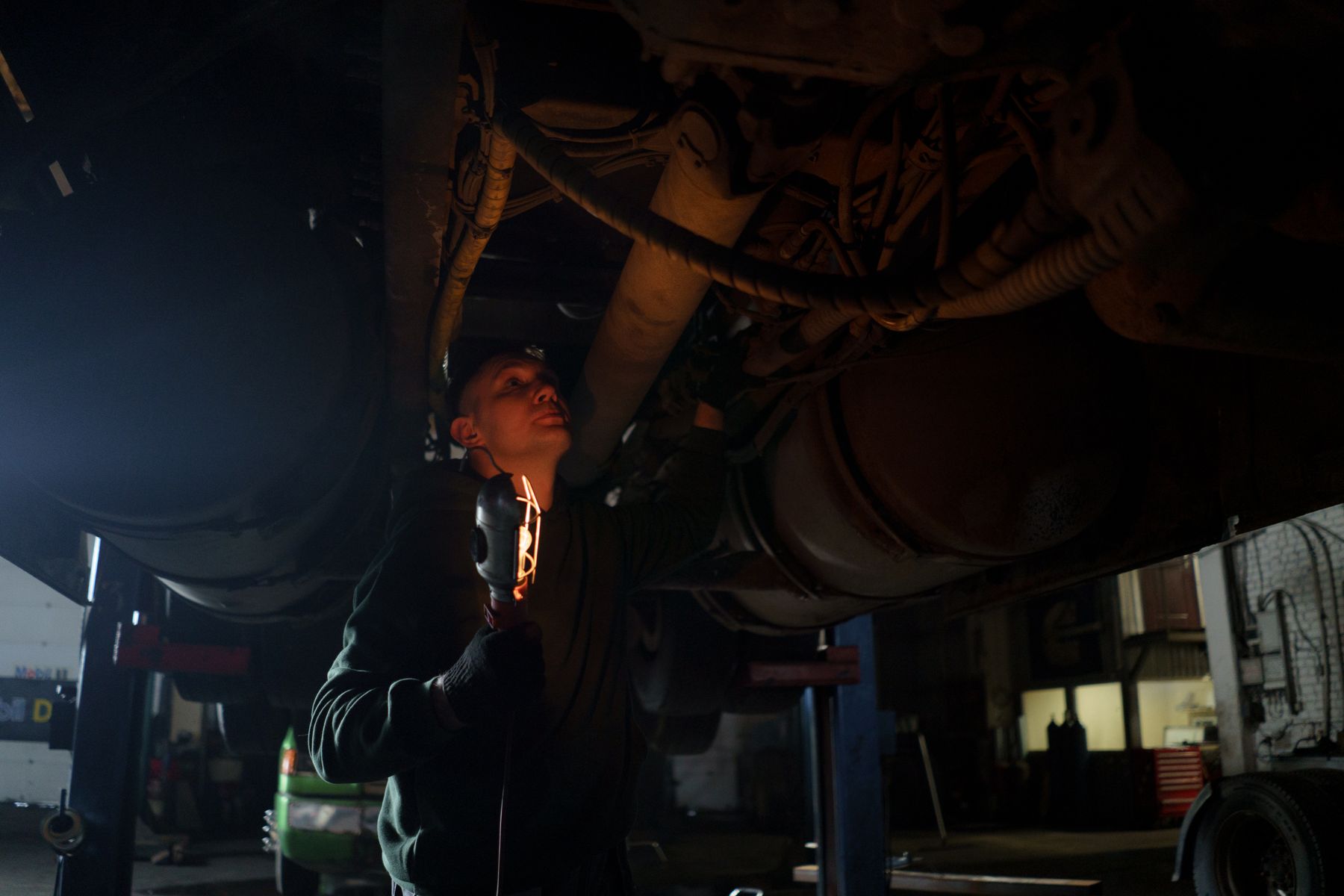
Good modifications can add capability; bad installations add failure points. Inspect:
- Lift geometry, alignment, control-arm and CV-joint angles.
- Tire size versus gearing, spare-tire match, and rubbing.
- Winch and lighting wiring, fuse protection, and battery health.
- Skid-plate damage, crushed seams, dented fuel tanks, and differential leaks.
- Hitch wear, trailer-brake wiring, rear-suspension sag, and cooling upgrades.
A spotless rooftop tent does not prove a properly engineered build.
Technical Deep Dive 03Reconstruct the missing maintenance
At 15 to 25 years old, “runs great” is not a maintenance record. Build a gap list for timing service where applicable, cooling components, all drivetrain fluids, brake fluid, plugs, belts, suspension joints, wheel bearings, and tires.
Anything not supported by an invoice or credible dated record belongs in the expected-cost bucket. Do not double-count reputation as evidence.
05The takeaway: pay the reliability premium only for reliability evidence
The best body-on-frame SUVs earned their reputations. That makes a well-kept example worth real money. It does not make every example worth the same premium.
Sources and verification notes
- NHTSA VIN decoder: https://www.nhtsa.gov/vin-decoder
- NHTSA recall lookup: https://www.nhtsa.gov/recalls