All-wheel drive sells confidence in the brochure and quietly taxes your budget afterward. The right question is not whether AWD is nice—it is whether the drivetrain you are about to finance will earn back its premium in fuel, tires, insurance, and service over the years you actually own the car.
- Treat AWD as a recurring cost line, not a one-time checkbox: illustrative planning ranges often show $900–$2,400 more over five years than an equivalent FWD car before you count the purchase-price spread.
- Fuel and tire differences are the everyday leaks. Many AWD systems add 1–3 mpg combined and require matching tires on all four corners—staggered wear still matters on some platforms.
- Insurance and driveline service widen the gap: transfer-case fluid, rear-differential service, and AWD-specific repairs belong in the budget even when the car is “reliable.”
- AWD earns its keep when traction is a weekly need—unplowed hills, mountain passes, rural gravel—or when resale demand in your ZIP makes the option standard. In warm, flat metros, it is often a comfort tax.
01Separate the purchase premium from the running premium
On a new or used crossover, AWD commonly adds roughly $1,200–$2,500 to the transaction price versus the same trim in front-wheel drive. That spread is visible on the buyer’s order. What is easier to miss is everything that happens after delivery: slightly worse fuel economy, an extra differential or transfer-case service interval, higher tire replacement rules on some models, and insurance quotes that treat AWD hardware as higher repair exposure.
Dealers know how to anchor you on monthly payment. Driveline choice changes that payment twice—once at signing through the higher principal, and again every quarter through fuel and wear items you do not invoice separately. If you are cross-shopping two listings with different drivetrains, normalize equipment first. A loaded AWD EX-L against a base FWD LE tells you nothing about the cost of all-wheel drive itself.
Start with two normalized totals for the exact VIN or trim you are comparing:
- Purchase normalized: asking or out-the-door price, including any dealer-installed AWD markup.
- Five-year operating normalized: fuel at your annual miles, scheduled AWD-specific fluids, tire rotations and replacements, and an insurance quote for each configuration.
CarmaDeal’s ownership-cost model is built for this comparison—run both configurations with the same mileage and ZIP, then verify the numbers against local comps rather than assuming a national average. The sample Deal Score shows how those operating lines sit beside fair-range pricing on the same sheet.
02Fuel economy: the mpg you do not notice until year three
EPA labels and owner forums both understate how often AWD runs in a lossy mode. Many systems are front-biased on dry pavement but still carry rotational mass, extra gears, and software that can engage the rear axle during acceleration or cornering. Illustrative combined-mpg penalties of 1–3 mpg are common when comparing FWD and AWD versions of the same engine.
At 12,000 miles per year and $3.50/gallon gasoline, losing 2 mpg on a 30-mpg combined baseline adds roughly $93 per year—not catastrophic alone, but it compounds with every other AWD line item. Over five years that single line can exceed $450 before inflation. Hybrids muddy the picture: some AWD hybrid trims use a rear electric motor instead of a mechanical driveshaft, which can narrow or reverse the penalty. Plug-in hybrids add another layer—battery depletion strategy changes how often the rear axle contributes.
Decode the exact powertrain on the window sticker and owner’s manual; “AWD” is not one engineering solution. Full-time mechanical AWD, on-demand clutch packs, and e-AWD behave differently in stop-and-go commuting. Your drive cycle determines whether you pay the penalty daily or rarely.
.jpg)
03Tires, brakes, and the four-corner rule
Tires are where AWD ownership stops being abstract. Several manufacturers recommend or require within-spec matching tires on all four corners to protect the center differential or clutch packs. That means you may replace in sets of four when one sidewall fails, and you cannot cheap out with a mismatched spare long term.
Illustrative tire economics for a compact crossover:
| Item | FWD planning range | AWD planning range | Why it differs |
|---|---|---|---|
| Four premium all-season tires | $700–$1,100 | $750–$1,200 | AWD trims sometimes spec larger or H/T-rated sizes |
| Replacement cadence | Often pairs acceptable on some FWD cars | Sets of four more common | Driveline stress and warranty language |
| Rotor/pad wear | Similar | Similar to slightly higher | Mass and regenerative blending on hybrids |
Measure tread depth on all four tires during the test drive. Uneven wear across an axle on a low-mileage car can hint at alignment issues—or prior owners replacing only two tires against manufacturer guidance. On performance-oriented AWD sedans, staggered setups can make replacement even pricier. Read the door-jamb sticker for size, load index, and speed rating before you assume parity with the FWD sibling.
Brake service is usually similar between drivetrains, but hybrid AWD models blend regenerative and friction braking. Warped rotors from heat-cycled pads show up on both; the repair invoice does not care which axle motivated the car.
04Insurance, resale, and driveline service intervals
Request quotes for both configurations before you negotiate. Some carriers price AWD slightly higher because transfer cases, rear differentials, and additional sensors expand repair menus. Others barely move the needle. Your ZIP and garaging address matter more than national averages. If you are financing, remember that insurance sits beside principal and interest for the entire loan term—a $15-per-month delta is nearly $900 over five years.
Resale cuts both ways. In Minneapolis, Denver, or Buffalo, AWD can be the default expectation; a FWD crossover may linger on market longer or require a larger discount at exit. In Phoenix or Miami, AWD is often an unused option buyers will not pay for. Check how local listings price the same year and trim with and without AWD before you treat the option as free money at resale.
Scheduled maintenance also diverges. Many AWD SUVs call for transfer-case or rear-differential fluid on an interval that FWD siblings skip entirely. Illustrative dealer-service pricing might land at $150–$350 per event depending on fluid type and labor market. Independent shops may charge less, but the service still belongs on the calendar. Skipped fluids do not always trigger a warning light immediately; they show up later as shudder, binding, or premature component wear.
05When AWD is worth it—and when it is theater
Buy AWD when: you regularly climb unplowed grades, commute through mountain passes, or live where all-season tires are legally or practically insufficient for weeks each winter. Fleet and rural buyers who see mud, loose gravel, and shoulder-less roads also extract real value. In many northern ZIP codes, AWD is a resale expectation—selling a FWD crossover later may cost you more than the option price today.
Skip AWD when: your traction challenges are rare, your municipality plows promptly, and you would mount proper winter tires on a FWD car anyway. FWD with quality winter rubber often outperforms AWD on all-seasons in the snow—because tires, not badges, generate grip. If your commute is highway-dominant and your parking is plowed, you may be financing hardware that engages for seconds per year.
Mountain-town buyers sometimes need ground clearance and tires more than a badge. AWD on worn all-seasons is still a liability on a steep icy driveway. Budget tires before you budget badges.
06Build the five-year spreadsheet before the test drive
Use conservative illustrative ranges, then replace them with quotes:
- Purchase-price delta between like-for-like trims.
- Fuel delta at your real annual mileage and local fuel price.
- Insurance delta from your carrier for each VIN.
- One extra driveline service event in the ownership window.
- Tire replacement policy—sets of four vs pairs.
- Expected resale delta in your ZIP when you plan to sell.
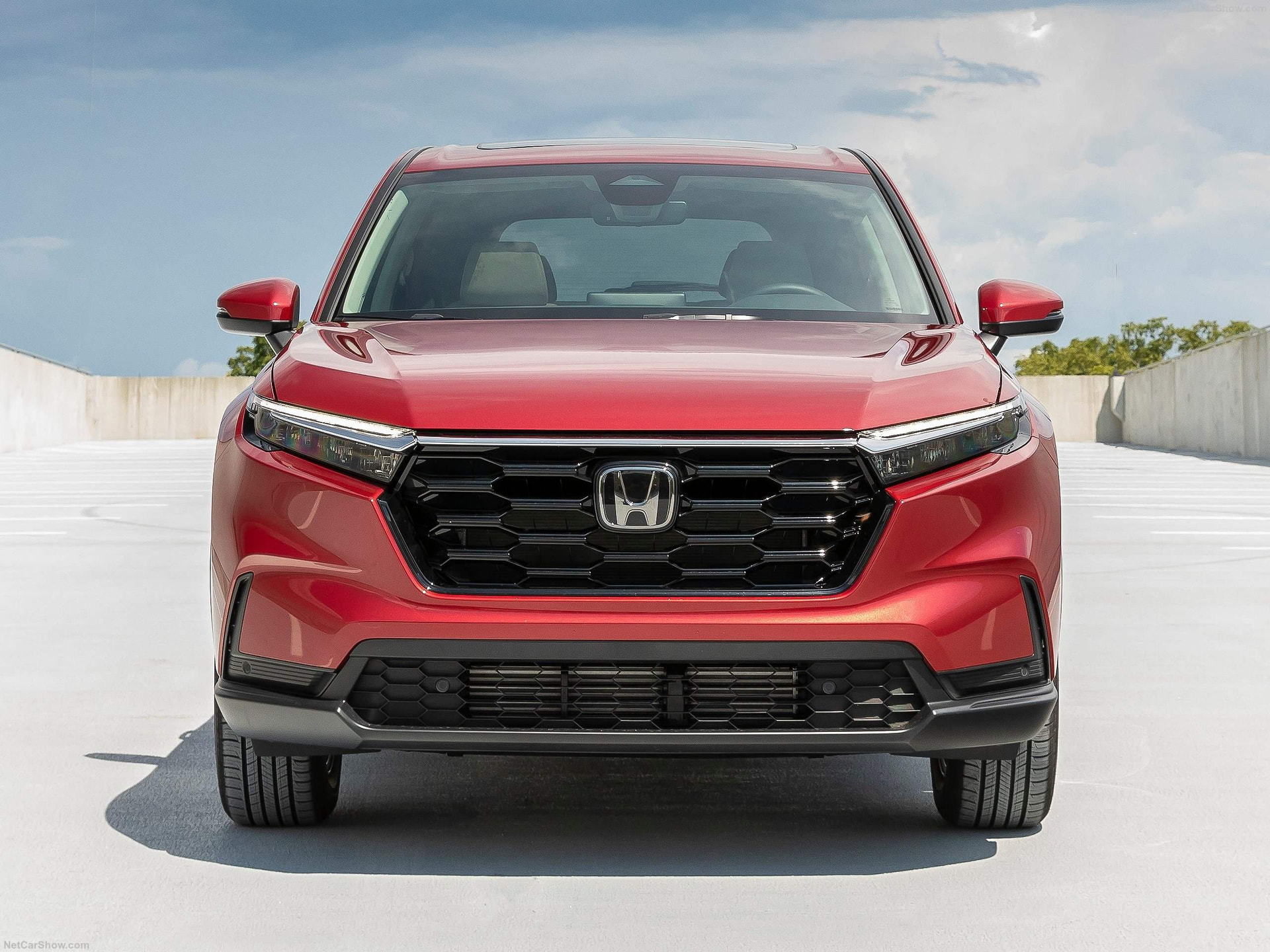
If the total five-year premium exceeds the traction benefit you will actually use, the smarter money is often FWD plus seasonal tires—or simply choosing a different vehicle class. If you are shopping crossovers in earnest, compare live listings on Toyota RAV4 and Honda CR-V deal pages, then run each candidate VIN rather than averaging the segment.
For chronic platform issues—rust belts, hybrid battery cooling, transfer-case chatter—search Community Wisdom after you normalize drivetrain cost. The right drivelain on the wrong car is still the wrong car.
Sources and verification notes
- U.S. Department of Energy fuel-economy guidance: https://www.fueleconomy.gov/
- CarmaDeal ownership-cost methodology: https://carmadeal.com/
- Illustrative cost ranges are planning scenarios; obtain VIN-specific insurance quotes and service estimates locally.