Certified Pre-Owned is one of the most misunderstood labels on a used-car lot. It is not a generic promise of quality—it is a manufacturer-controlled program with eligibility rules, an inspection checklist, warranty terms, and a price premium. The only question that matters: does the contract value exceed the extra cash?
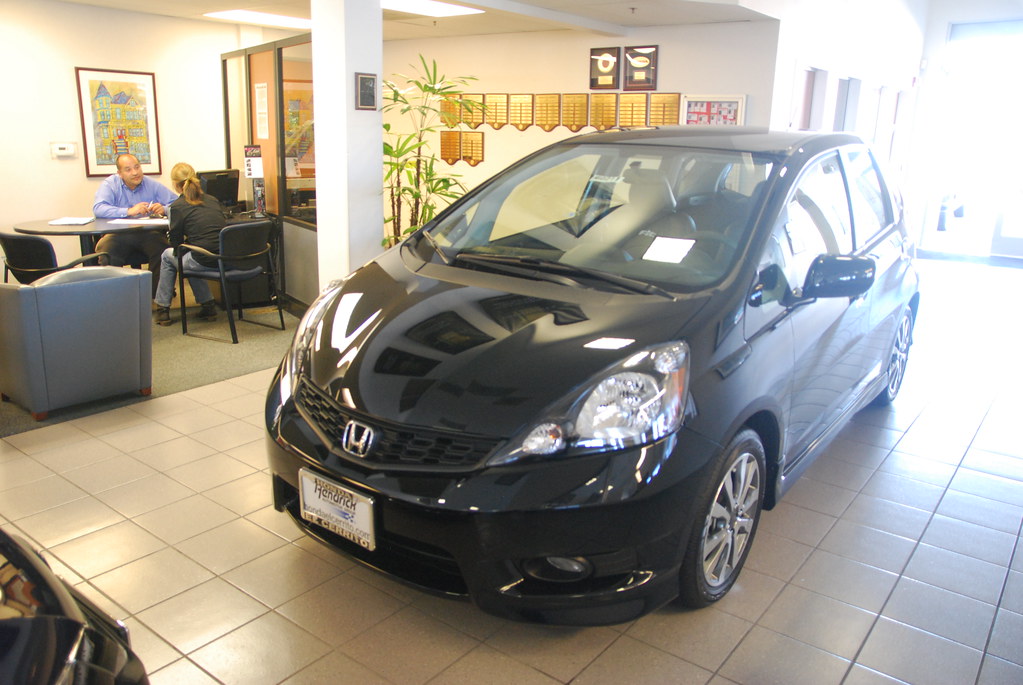
- CPO value is contract math: remaining warranty months/miles, deductible, transferability, and what the program excludes.
- Compare the same VIN story non-CPO: if the premium exceeds verified coverage plus expected immediate work, you are paying for marketing.
- In-service date starts the warranty clock—not the day you buy. A low-mileage car can have little usable CPO runway left.
- Dealer “certified” without manufacturer enrollment is not CPO. Read the program name on the warranty document.
01What manufacturer CPO actually includes
Franchise CPO programs typically combine age/mileage eligibility, a branded inspection, extended powertrain or bumper-to-bumper coverage, roadside assistance, and sometimes financing incentives. Programs differ sharply by brand: coverage length, deductible, rental benefits, transfer fees, and excluded components vary.
Your first document request is the manufacturer CPO warranty certificate or program guide for that VIN—not the salesperson’s summary. Confirm the vehicle is enrolled in the OEM program, not a dealer-only label with similar wording.
Also request the CPO inspection checklist with sign-off, reconditioning invoice, and tire/brake measurements. CPO should mean documented work, not only a wash bay and a badge on the trunk.
02Build the premium math in four lines
Normalize the comparison:
CPO justified premium ≈ verified warranty value + reduced immediate repair risk + financing benefit − higher price and deductible friction
| Input | What to verify | Planning approach |
|---|---|---|
| Price spread | CPO OTD vs. similar non-CPO trim/mileage | Use local comps; do not assume a fixed % |
| Warranty runway | Months and miles remaining from in-service date | Zero value if you will exceed limits in year one |
| Deductible | Per-visit charge on covered repairs | $100 × expected claims changes the math |
| Exclusions | Wear items, glass, tires, modifications | Read exclusions before assigning dollar value |
| Immediate work | Tires, brakes, fluids on both candidates | Subtract from the cheaper car’s advantage |
Illustrative example only: a non-CPO car at $24,500 with $900 near-term brakes and tires versus a CPO car at $26,200 with $200 immediate work and $1,400 of assignable warranty value for your ownership window. The normalized gap is far smaller than the $1,700 sticker spread—and may flip if the CPO car has only three months of usable coverage left.
03Warranty runway: the variable buyers skip
CPO coverage is almost always tied to the original in-service date and odometer, with caps on total years and miles from that date. A three-year-old car with 38,000 miles may look ideal until you learn the program ends at 60,000 miles or five years from in-service—whichever comes first.
Ask the dealer to print:
- Original in-service date from manufacturer records.
- Current odometer and program mileage limit.
- Coverage end date and mileage for powertrain and comprehensive portions separately.
- Whether a prior owner’s use consumed most of the extension.
If you plan to drive 18,000 miles per year, a program with 12,000 miles remaining is not long runway—it is a partial benefit priced like a full one.

04Deductibles, exclusions, and transfer rules
CPO is not bumper-to-bumper peace of mind by default. Many programs carry a per-repair deductible. Others exclude wear items, environmental damage, window chips, tires, and aftermarket modifications. Some require service at franchised dealers to remain eligible.
Assign warranty value conservatively:
- If you typically self-insure small repairs, a high-deductible powertrain extension may be worth less to you than to a risk-averse commuter.
- If the car has modifications—wheels, tune, suspension—confirm whether CPO remains valid.
- If you may sell within 18 months, check transferability and any fee to the next owner.
05When the premium usually pays
CPO tends to earn its premium when several conditions align:
- Material warranty runway remains for your intended ownership period.
- Reconditioning documentation shows tires, brakes, fluids, and wear items addressed.
- Financing incentive lowers APR enough to offset part of the price spread—verify against your credit union quote.
- Model-specific risk is meaningful—turbo, air suspension, hybrid components—where OEM-backed coverage has real option value.
- Thin local supply of clean non-CPO examples makes the CPO car the best evidence-backed choice.
On high-volume mainstream models with abundant non-CPO inventory and strong independent-shop support, the premium is harder to justify unless the warranty months are genuinely generous for your mileage plan.
06Financing and roadside benefits: real value or brochure math?
Some brands pair CPO with reduced APR or promotional financing. That value is real only after you compare the payment on the CPO car with a bank or credit union quote on the non-CPO alternative at the same term and down payment. A 0.5% APR improvement on a $25,000 balance might be worth a few hundred dollars over five years—not automatically $2,000.
Roadside assistance, trip interruption, and loaner-car benefits matter if you rely on them. If you already carry AAA or comparable coverage, assign a lower dollar value. If you drive in rural areas with limited shop density, manufacturer roadside tied to warranty can have outsized practical value even when the dollar line item looks small.
Ask the finance office to itemize every CPO-related benefit on the buyer’s order. Benefits that cannot be documented on paper should not enter your premium calculation.
07When CPO is mostly marketing
Skepticism is warranted when:
- Coverage ends within a year or within your expected annual mileage.
- The inspection checklist is missing or generic.
- The CPO car costs more than a non-CPO sibling plus a reputable third-party warranty you chose yourself.
- The vehicle is near program age limits, modified, or has prior damage disclosures inconsistent with CPO marketing.
- The dealer bundles mandatory add-ons that erase the theoretical CPO benefit.
Run the same history and title checks you would on any used car. CPO eligibility does not replace NMVTIS, lien verification, or a buyer-directed PPI when the price is material.
08Negotiate using normalized numbers, not badge prestige
When the CPO premium fails your math, present the non-CPO comparison explicitly: “A similar non-CPO unit at $24,800 with $700 in tires leaves me at $25,500 normalized. Your CPO car is $26,900 with six months of usable hybrid coverage left. I need $1,200 off to make the programs equivalent.” Dealers respond to structured comparisons more than generic “CPO is too expensive” objections.
If the dealer cannot produce program enrollment paperwork for the VIN, treat the car as non-CPO for pricing purposes regardless of window stickers. Badge language without contract backing is marketing margin.
09The takeaway: pay for enrolled coverage, not for the window sticker
The correct outcome is not “always buy CPO” or “never buy CPO.” It is: pay the premium only when the enrolled manufacturer program leaves you better off than the best non-CPO alternative after warranty value, immediate work, fees, and your real mileage plan.
Sources and verification notes
- FTC guidance on used-car dealer disclosures and add-ons: https://consumer.ftc.gov/articles/buying-used-car-dealer
- Manufacturer CPO terms vary by brand and model year; verify coverage on the OEM program document for the specific VIN.
- Dollar illustrations in this article are planning examples, not live market prices or guaranteed warranty valuations.