The advertised price earns attention; the written out-the-door total decides the deal. Separate government charges from dealer-controlled fees before you negotiate.

- Government taxes, title, and registration are different from dealer-created fees and optional add-ons. Separate them line by line.
- A documentation fee may be allowed or capped by state law, but that does not make the total deal competitive. Negotiate the selling price or OTD total to offset it.
- Reconditioning, certification, inspection, and preinstalled products should not appear as surprise mandatory charges after a lower price brought you to the store.
- Get the out-the-door quote in writing before traveling, discussing a trade, or negotiating a monthly payment.
01Build the fee stack in four buckets
| Bucket | Examples | Buyer response |
|---|---|---|
| Government | Sales tax, title, registration | Verify the rate and destination; usually not dealer profit |
| Dealer processing | Doc, electronic filing, administrative fee | Check state rules; compare the total and offset through price if needed |
| Vehicle preparation | Reconditioning, inspection, certification | Demand an itemized invoice and ask why it was not included in the advertised price |
| Optional products | VIN etching, nitrogen, paint/fabric protection, service contract | Decline unwanted products in writing and confirm removal from every document |
Do not spend 20 minutes debating whether a fee “exists.” Compare one number: total cash required out the door, before trade equity and financing.
Technical Deep Dive 01Use the advertised-price test
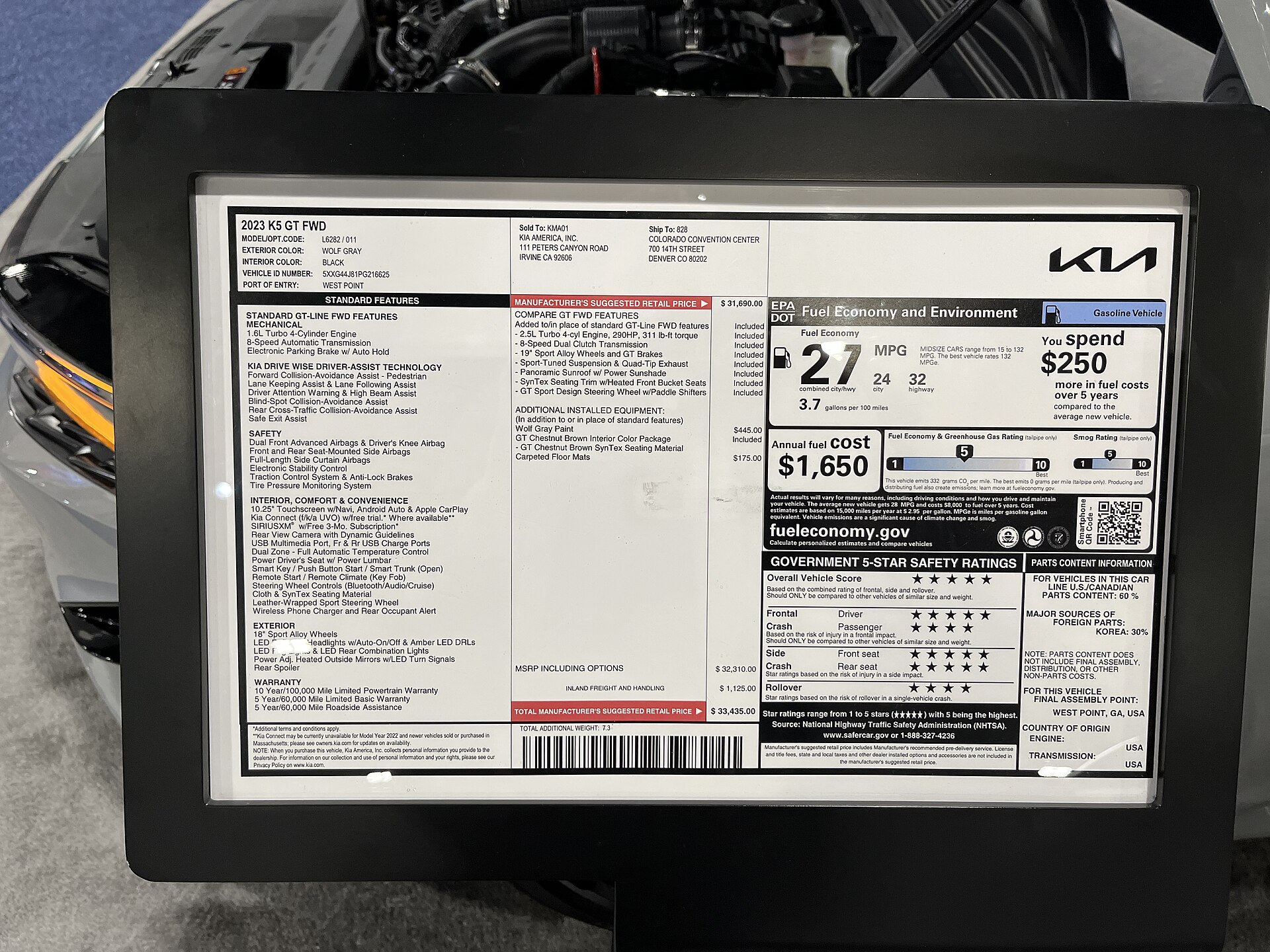
Ask the dealer:
“Can any consumer buy this vehicle at the advertised selling price, excluding only government taxes and title/registration charges?”
If the answer requires financing through the dealer, a trade-in, military or loyalty eligibility, or mandatory add-ons, ask for each condition in writing.
The FTC has repeatedly warned dealers about deceptive advertised pricing and unwanted add-ons. In March 2026, it warned 97 dealership groups to review whether advertised prices include fees consumers are required to pay. That does not erase state-by-state differences, but it strengthens the buyer’s demand for a clear, truthful total.
Technical Deep Dive 02Neutralize the doc fee through the total
In some stores the doc fee will remain printed on every contract. Fine. Your response is arithmetic:
“Your doc fee is $799. I am comparing this car at $24,500 out the door. If the fee stays, reduce the vehicle price by the same amount.”
You are not negotiating the label. You are negotiating the total.
Technical Deep Dive 03Send the dealer ask list before you arrive
Request:
- VIN, current mileage, and advertised selling price.
- Itemized taxes, title, registration, doc, electronic-filing, and dealer fees.
- Every installed or proposed add-on, with price and whether optional.
- Reconditioning invoice—not a round-number line item.
- Written OTD total with no trade and no financing assumptions.
Then compare it with the CarmaDeal fair-buy range. A car can be fairly advertised and overpriced OTD.
05The takeaway: negotiate the assembled price
The strongest buyer is not the loudest person in the showroom. It is the person holding a written OTD quote, local comparables, a target offer, and a walk-away number.
See those numbers on a finished report before you negotiate: the sample Deal Score shows target offer, fair-buy range, and walk-away on the same sheet. If a fee stack is masking a problem car, decode the seller's paperwork with the History Analyzer first.
Sources and verification notes
- FTC warning to 97 dealership groups, March 13, 2026: https://www.ftc.gov/news-events/news/press-releases/2026/03/ftc-warns-97-auto-dealership-groups-about-deceptive-pricing
- FTC consumer guidance on ads and OTD pricing: https://consumer.ftc.gov/articles/car-dealer-ads-and-promotions-know-you-go
- FTC guidance on unwanted add-ons: https://consumer.ftc.gov/consumer-alerts/2024/08/car-dealerships-cant-charge-you-add-ons-you-dont-want
- State law controls fee caps and required disclosures; this article is educational, not legal advice.