P0016 and P0299 identify systems that are unhappy, not the failed part. Use live data, a cold start, and repair history before buying a diagnosis.
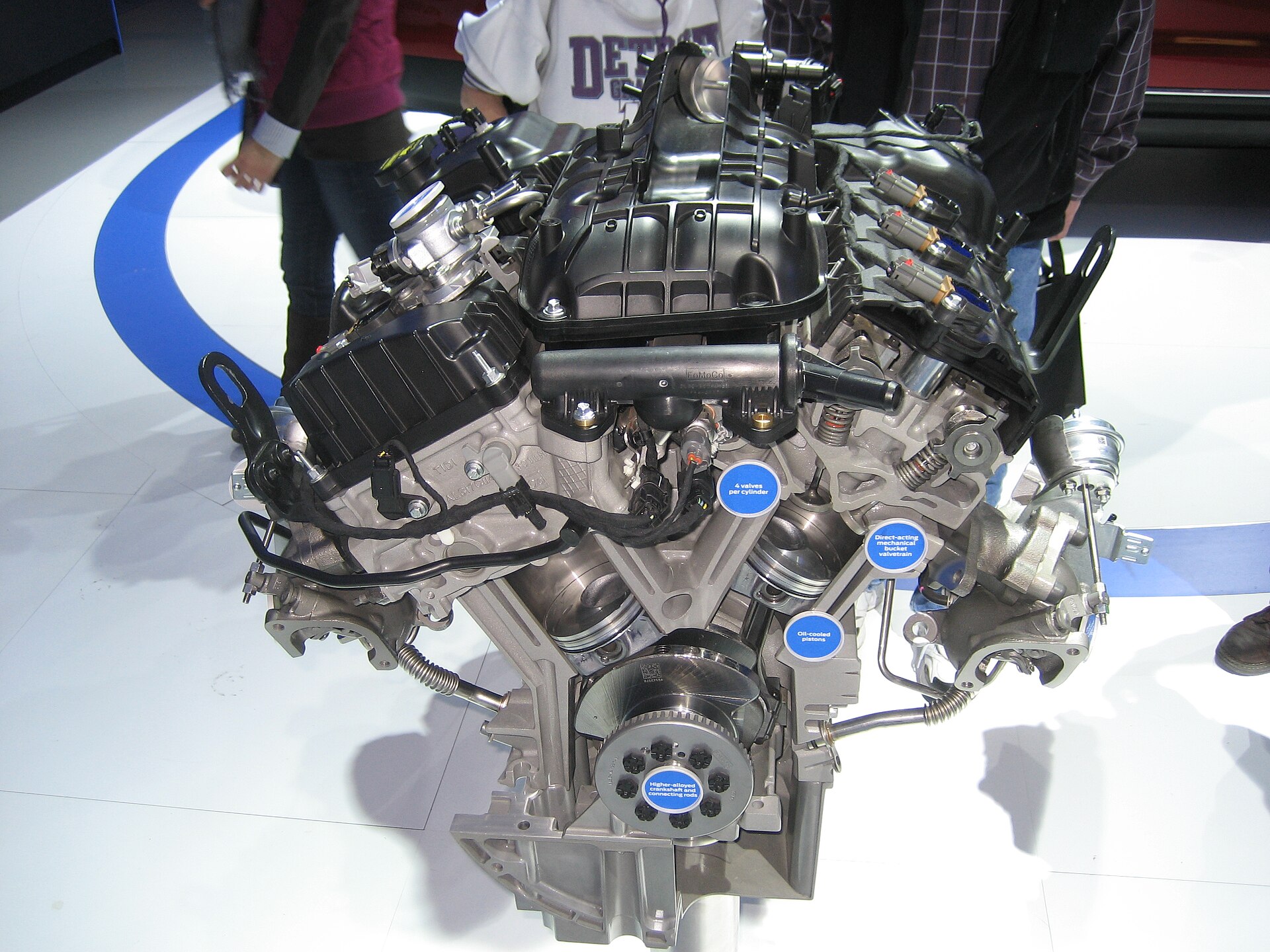
- P0016 generally points to camshaft/crankshaft timing correlation outside the expected range; P0299 generally means measured boost did not reach the commanded threshold.
- Neither code proves a stretched chain, bad phaser, failed turbo, or loose wastegate without further testing.
- Freeze-frame data, pending and permanent codes, commanded-versus-actual values, and cold-start behavior are more useful than a seller’s erased check-engine light.
- If the seller will not allow a cold start, full scan, and independent diagnosis, price the car as unresolved—or walk.
01P0016: correlation is the symptom
On a turbo-GDI engine, cam timing depends on mechanical timing, oil condition and pressure, variable-cam hardware, sensors, wiring, and control logic. A P0016 may follow chain elongation or a phaser problem, but it can also involve oil-flow restrictions, sensor or reluctor issues, wiring, prior incorrect timing work, or calibration.
Look for:
- Rattle during the first seconds of a true cold start.
- Long crank, unstable idle, reduced power, or repeated misfire history.
- Poor oil-change documentation, wrong oil viscosity, or low oil level.
- Cam commanded-versus-actual data that diverges consistently.
- Freeze-frame mileage and operating conditions showing when the test failed.
Do not authorize a timing job—or buy the car—as though the code alone completed the diagnosis.
Technical Deep Dive 01P0299: underboost is a system result
P0299 means the engine did not produce the boost expected under the test conditions. Causes can include charge-pipe leaks, loose clamps, bypass or wastegate control, damaged vacuum or electronic actuators, exhaust restriction, sensor error, calibration, or turbocharger wear.
An OEM bulletin for a different turbo-diesel application demonstrates the principle: its P0299 workflow checks intake restriction, charge-air connections, sensor plausibility, calibration, and only then turbo replacement. The exact procedure does not transfer to an EcoBoost or Hyundai/Kia engine; the diagnostic discipline does.
Technical Deep Dive 02Use a 15-minute data drive—not a 15-minute joyride
With the owner’s permission and a safe route:
- Scan before starting. Save confirmed, pending, permanent, and manufacturer-specific codes plus readiness-monitor status.
- Record cold-start rpm, coolant temperature, cam angles, misfire counters, fuel trims, and oil-pressure data if the platform exposes it.
- At steady cruise, watch fuel trims and commanded-versus-actual cam position.
- During a moderate, legal acceleration, log commanded and actual boost or manifold pressure, throttle, wastegate command, and airflow.
- Rescan after the drive. New pending faults matter even if the dashboard stays dark.
Live data is only useful when compared with factory definitions and known-good behavior. A generic app may label manufacturer PIDs incorrectly.
Technical Deep Dive 03Carbon, phasers, and wastegates are inspection paths
Direct injection can allow intake-valve deposits because fuel no longer washes the back of the valve. Severity depends on engine design, crankcase ventilation, duty cycle, mileage, and maintenance. Likewise, cold-start phaser noise and wastegate play vary by generation and revision.
Use the VIN to identify the exact engine and production information, then search applicable recalls, campaigns, and technical bulletins. A 2.7-liter EcoBoost, 3.5-liter EcoBoost, GM turbo engine, and Hyundai/Kia turbo engine should not share a generic repair verdict.
05The takeaway: a code reduces uncertainty only when the evidence stays attached
Ask for the scan report, freeze frame, diagnostic test results, and repair invoice. “Code cleared after battery replacement” is not evidence that the underlying test passed.
Sources and verification notes
- NHTSA VIN decoder: https://www.nhtsa.gov/vin-decoder
- NHTSA recall lookup: https://www.nhtsa.gov/recalls
- Example OEM P0299 diagnostic workflow published through NHTSA: https://static.nhtsa.gov/odi/tsbs/2019/MC-10154687-9999.pdf
- Diagnostic definitions and test procedures must be confirmed in factory service information for the exact year, make, model, and engine.