The Toyota Camry and Honda Accord are the rational short list for millions of used-sedan shoppers—and the wrong place to shop by badge alone. This face-off compares the nameplates on reliability reputation, interior space, hybrid options, and buyer fit. We do not invent live medians; you should verify asking prices on the deal pages and run each VIN before you negotiate.
_IMG_9081.jpg)
- We do not quote live medians here. Check current asking prices on Camry and Accord deal pages, then run each candidate VIN.
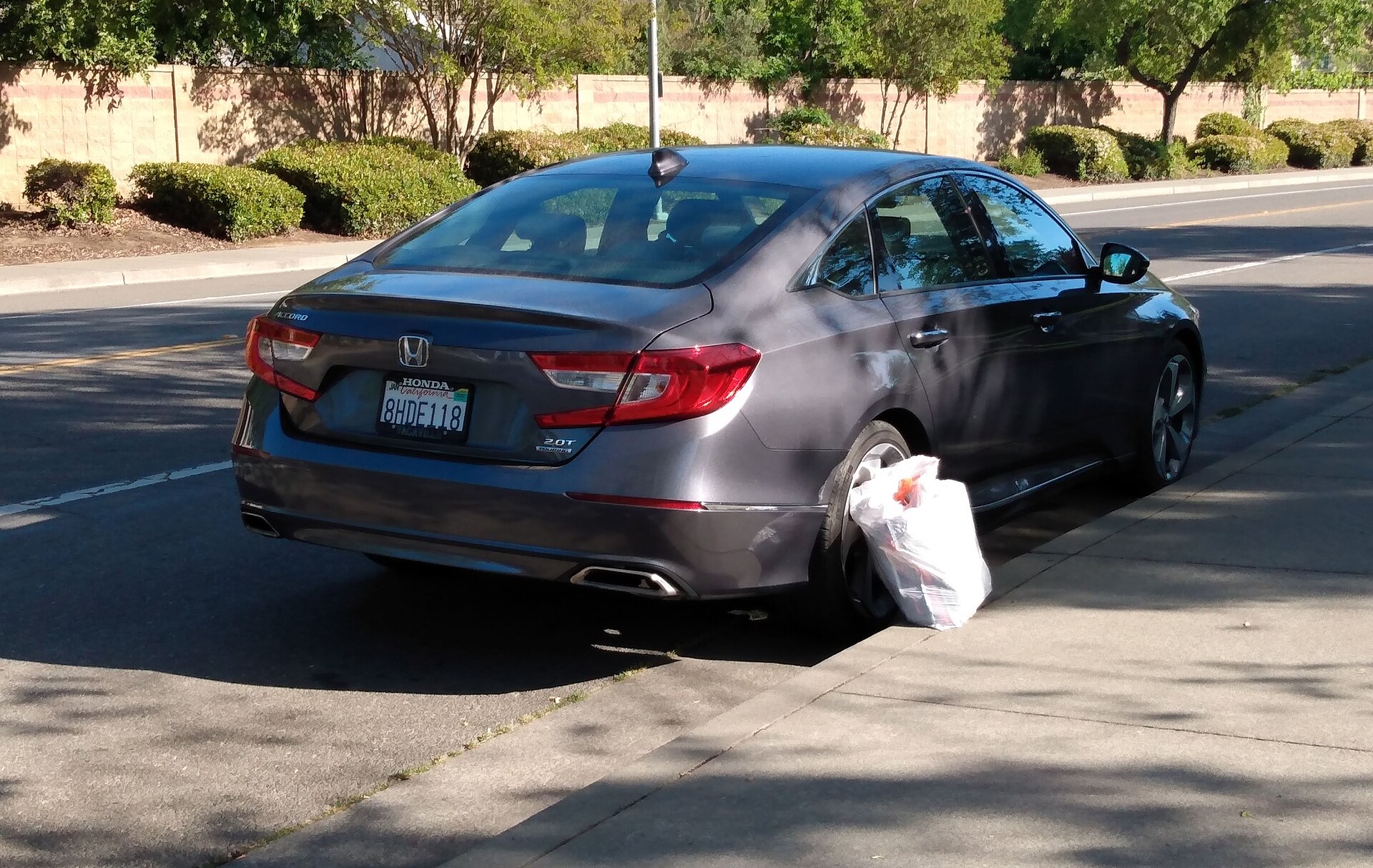
- The Accord often wins rear seat and cargo usability in recent generations; the Camry counters with hybrid breadth and resale gravity in many U.S. markets.
- Hybrid sedans demand battery and brake-regen evidence—not just a highway MPG screenshot.
- Editorial scorecard below is judgment, not a Deal Score. Your trim, mileage, and history reweight everything.
01Reliability: reputations meet repair menus
Both nameplates top mainstream reliability conversations, but the failure modes differ by generation. Turbocharged Accord four-cylinders invite attention to oil dilution and fuel-quality history on applicable years; Camry four-cylinders and V6s reward evidence of timely oil changes and brake-fluid service. Neither badge forgives skipped coolant on a timing-chain car.
On a used purchase, reliability is this VIN’s maintenance and accident history, not a brand trophy. Pull recalls, read the odometer table, and budget a pre-purchase inspection that includes a cold start and a full-module scan. Transmission behavior on low-speed parking-lot shifts matters as much as forum anecdotes about million-mile taxis—those taxis were maintained on a schedule your seller may have ignored.
02Space and daily usability
Recent Accords typically offer a more adult-friendly rear bench and a lower load lip for cargo. Camrys trade a slightly more isolated front-seat experience and conservative ergonomics. If you routinely carry three adults or bulky strollers, sit in the rear of the actual car you are buying—spec sheets do not capture seat bolster wear or headroom with sunroofs.
Driver position differs subtly: Accord dashboards feel lower and wider; Camry controls favor familiarity over flair. Neither is a full-size car; if you are coming from an SUV, bring the car seats and golf bag to the lot.
03Hybrid options and operating cost
Toyota’s hybrid Camry supply is deep; Honda’s Accord Hybrid is the efficiency pick when you find clean examples. Illustrative combined-mpg advantages can land from the high twenties to the mid-forties depending on year and powertrain—verify EPA labels for the exact model year on the Monroney photo or door sticker.
Hybrid buyers should demand smooth brake-pedal transitions, no hybrid-system warnings, and documentation of high-voltage battery cooling intake cleanliness. A cheap hybrid with a weak battery is not a fuel-savings strategy. Compare ownership-cost assumptions in CarmaDeal with your actual commute miles before you pay a hybrid premium.
04Safety tech and recall hygiene
Both brands ship competitive driver-assist suites on recent model years, but feature availability varies by trim. A base Camry LE and an Accord Sport may lack the radar hardware of their touring siblings. Verify open recalls on the VIN through NHTSA before you attribute a dashboard warning to “probably nothing.”
Airbag and seatbelt pretensioner campaigns have touched both nameplates across certain years. A clean CARFAX does not prove recall completion—only documentation does.
05Resale and regional taste
Camry resale strength is real in many U.S. markets—especially where sedans still dominate fleet and commuter lanes. Accords can be harder to exit quickly in truck-heavy counties even when they are the better car to live with. That does not mean Accords are bad investments; it means your ZIP code changes the exit math. Check how many comparable listings sit within 50 miles and how long they have been advertised before you assume either badge “holds value” abstractly.
Color choice and interior wear matter on sedans more than on work trucks. A stained headliner or smoked-in cabin moves the needle on private-party speed. Price interior condition into your offer even when the scorecard favors that nameplate.
06Value framing without invented medians
Used pricing shifts with mileage bands, trim (LE vs XSE vs Touring), and regional taste. Instead of quoting a fake national median, use this workflow:
- Filter Camry and Accord listings to your year and mileage window.
- Compare like trims with similar equipment—not a base Accord against a loaded Camry.
- Add immediate maintenance gaps revealed by the PPI into the normalized price.
- Separate hybrid and non-hybrid comps; mixing them collapses the signal.
The sedan that wins on paper loses if it needs $1,800 of catch-up work in the first six months. Price the VIN, not the badge.
| Category | Camry | Accord |
|---|---|---|
| Reliability evidence | 9/10 | 8/10 |
| Rear seat & cargo | 7/10 | 9/10 |
| Driving engagement | 7/10 | 8/10 |
| Hybrid choice & support | 9/10 | 8/10 |
| Safety tech (recent MY) | 8/10 | 8/10 |
| Value flexibility | 8/10 | 8/10 |
| Editorial total | 48/60 | 49/60 |
06The verdict, by buyer type
- Maximum mpg, minimum drama: Camry Hybrid—if battery and brake evidence check out.
- Rear-seat priority: Accord, especially for car-seat years.
- Long hold, high miles: Whichever VIN has denser service records and fewer cosmetic repairs.
- Enthusiast detour: neither is a sports sedan; do not pay a sport-trim premium for badge emotion alone.
07Financing and insurance: sedans are cheap until they are not
Mainstream sedans often carry lower insurance brackets than SUVs, but trim and safety hardware still move premiums. A turbo Accord or V6 Camry can cost more to insure than a base four-cylinder sibling. Get quotes on the exact VIN before you anchor on payment math.
Financing spreads on sedans are usually favorable when credit is strong, but extended terms on high-mile examples can leave you underwater if the PPI reveals deferred maintenance. Pair a sample Deal Score with your lender’s out-the-door worksheet so rate and repair risk stay visible together.
08Inspection checklist both finalists must pass
Regardless of scorecard winner, demand:
- Cold-start video if you cannot attend in person.
- Module scan with stored and pending codes saved.
- Brake fluid and coolant age evidence—not just “changed recently.”
- Tire date codes and tread depth at inner, center, and outer grooves.
- Hybrid high-voltage battery intake and cabin filter condition on hybrid trims.
The cleaner Camry or Accord is the one that passes the same checklist—not the one that wins a category on paper.
Buyer checklistModel-year traps worth verifying by VIN
Camry shoppers should confirm oil consumption and brake-fluid service on high-mile four-cylinders, and verify recall completion on airbag and fuel-pump campaigns for applicable years. Accord shoppers with turbo engines should review oil level after short-trip commuting and listen for timing-chain tensioner noise on cold start where that engine family applies.
Neither list is a walk-away by itself—documentation and a specialist PPI convert internet fear into a priced negotiation line.
One more framing note: sedan depreciation can accelerate when the next owner pool shrinks in your county. That is not an argument against buying—only against overpaying for a trim you do not need. A well-priced Camry XSE and a well-priced Accord Sport can both be rational; the wrong move is paying touring money for cloth seats because the listing photo hid the interior.
Sources and verification notes
- Manufacturer specifications and IIHS/NHTSA ratings for cited model years.
- CarmaDeal deal pages for listing context—verify current comps locally: https://carmadeal.com/
- Editorial scores are CarmaDeal judgment calls, not live market medians or Deal Scores.