Every major storm season sends a wave of water-damaged vehicles through insurers, auctions, rebuilders, and out-of-state title offices. Some exit the market with clear salvage or flood brands. Others reappear with clean-looking paperwork and a detail job. Your defense is legal and transactional—not only sensory.
- A physically clean car can still carry—or have once carried—a flood or salvage brand on the federal title record.
- NICB and insurer databases help, but NMVTIS is the federal anchor for title brands reported by participating jurisdictions.
- Title washing exploits differences in state branding rules; chronological title history matters more than the current state’s stamp.
- Moisture inspection tells still matter—but this article focuses on the legal and transaction path flood cars take back to retail.
01From floodwater to total loss: the insurer path
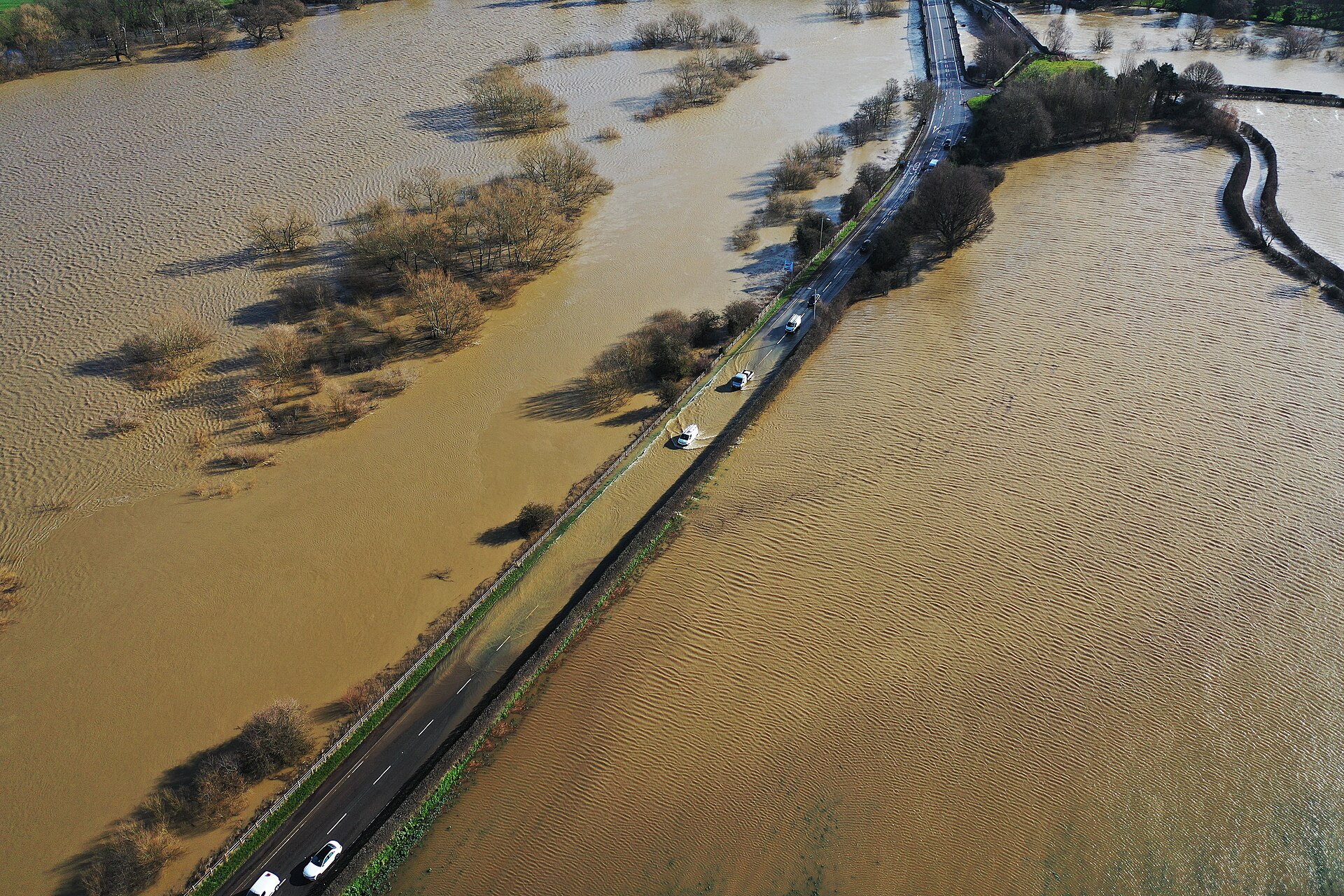
When floodwater reaches a vehicle’s interior, electrical modules, or engine ingestion point, insurers often declare a total loss rather than fund a full electronic restoration. The owner receives a settlement; the insurer takes title or assigns the vehicle to salvage channels. That decision creates paper trails—claims, salvage assignments, auction listings—even when the car later looks fine at retail.
Not every flooded car is branded immediately or consistently. Reporting depends on state law, insurer process, whether the owner retained the title, and whether the vehicle moved across borders. That gap is where buyer verification begins.
NICB and industry groups routinely warn after major hurricanes that damaged inventory will surface nationally for months. Treat storm-season listings in dry-climate states with the same skepticism you would apply at the coast if price and history look misaligned.
Insurance total-loss thresholds vary by carrier and policy, so two similarly flooded cars can receive different treatments—one branded salvage, another repaired and retitled through a less transparent path. That inconsistency is why VIN-level history beats assumptions from exterior condition.
02What NMVTIS shows—and what it cannot
The National Motor Vehicle Title Information System (NMVTIS) aggregates certain title data reported by states and related entities. For buyers, it is a critical check because a reported flood, salvage, or junk brand tied to the VIN should appear even if the current physical title looks clean.
Use NMVTIS as a floor, not a ceiling:
- It helps surface reported brands and some title transfer history.
- It does not replace a full history report, insurer data, or inspection.
- It may lag or miss records depending on reporting timing and jurisdiction.
Pair NMVTIS with NICB VINCheck, a commercial history report, and your state’s title verification process. No single database is sufficient after storm season.
03Title washing: how brands disappear on paper
Title washing is the practice of moving a vehicle through jurisdictions or processes that reissue a title without carrying forward prior damage brands. A car totaled as flood damage in one state may later be retitled elsewhere with a clean-looking document if branding rules differ or reporting fails to follow the VIN.
Warning patterns in title chronology:
- Recent transfer from a storm-affected state to a state with weaker branding disclosure.
- Multiple quick title hops within 90 days of a major weather event.
- Duplicate title issuance shortly before private-party sale.
- Seller cannot explain a gap between insurer auction and current registration.
Geography in registration history is a risk signal, not a conviction. A legitimately imported car from a storm state with clean records and a spotless PPI still deserves scrutiny—but a discount with vague paperwork deserves a halt.
04Rebuilt, salvage, and flood-branded titles at retail
Some flood vehicles re-enter legally as rebuilt or salvage-titled cars priced accordingly. That can be a transparent transaction if disclosure, pricing, and inspection align. Problems arise when retail listings hide prior total-loss status or market the car as clean history.
Ask for:
- Complete title history printout and prior registrations.
- Insurer total-loss documentation if claimed repaired privately.
- Photos from the loss period or auction if the seller is a rebuilder.
- Written disclosure signed before deposit.
Financing and insurance on branded titles are harder and sometimes impossible. Even a well-rebuilt flood car can be a poor ownership proposition if resale and coverage collapse.
05Moisture tells that support title skepticism
Legal verification comes first; physical evidence still corroborates suspicion. Indicators that should trigger deeper title investigation:
- Water lines in trunk channels, spare-tire well, or seat rails inconsistent with “minor leak.”
- Corrosion on unpainted fasteners in the cabin—not only under the hood.
- Mismatched carpet or seat foam replacement in a specific zone.
- Intermittent electrical faults across multiple modules.
- Fresh undercoating on a young vehicle with no documented off-road use.
One tell plus a storm-state title hop is enough to stop the deal pending professional inspection and database reconciliation.
Professional detailers can remove surface mold odor temporarily; they cannot restore corroded module pins. If interior disassembly reveals silt behind kick panels, treat the title investigation as urgent even when the seller provides a current clean title from a non-coastal state.
06Transaction controls after storm season
| Step | Action |
|---|---|
| Before travel | NMVTIS + NICB + history report; compare price to clean comps on CarmaDeal |
| Before deposit | Seller ID matches title; verify lien status |
| Before payment | Independent PPI including interior strip checks if risk elevated |
| At signing | VIN on title matches vehicle; retain all disclosures |
Dealer purchases still require the same VIN discipline. A lot’s detail shop can outrun your nose; it cannot erase federal brand data if reported.
07Auction and exporter channels buyers rarely see
Many storm totals move through insurer auctions before rebuilders, exporters, or dealers acquire them. Retail buyers may never see the auction listing, but title chronology sometimes retains auction or salvage intermediary markers in history reports. Ask direct questions when history shows auction export or rapid wholesale transfers.
Rebuilt titles sold at retail require disclosure in most states, yet enforcement depends on the seller’s honesty and your diligence. A rebuilt flood car priced at half market may be fairly priced for its legal status—or still overpriced if electrical gremlins remain. Legal transparency does not guarantee mechanical soundness.
Out-of-country registration hops deserve extra scrutiny. Vehicles exported and reimported can accumulate paperwork gaps that obscure original loss type. If export appears in history, slow down and stack additional verification before traveling.
Keep screenshots of listing text, seller messages, and history-report results with timestamps. If you later discover title fraud, those records support insurance claims, platform disputes, and law-enforcement reports far better than memory.
08The takeaway: buy the title chain, not the detail job
Storm season makes the used market faster and dirtier at the margins. The buyers who avoid catastrophe are boring: they stack databases, read chronology, refuse irreversible payments, and walk when stories do not match paperwork.
After major storms, treat every below-market SUV and truck that recently moved across state lines as a title-investigation project first and a negotiation second. Ask for the prior registration state, insurer claim numbers if any, and a written statement that the vehicle was never declared a total loss. Then verify those claims against NMVTIS and an independent moisture inspection before you discuss price.
Sources and verification notes
- NICB VINCheck: https://www.nicb.org/vincheck
- NMVTIS consumer information (DOJ): https://vehiclehistory.bja.ojp.gov/nmvtis_consumers
- FEMA flood recovery guidance for vehicles: https://www.fema.gov/
- State title branding rules vary; verify current law in the issuing jurisdiction and consult legal counsel for high-value disputes.