Sellers know maintenance records move price. A binder of oil-change invoices can justify a premium—or conceal years of neglect. Forged and “reconstructed” service histories are common enough that smart buyers treat every printout as a claim to be verified, not evidence on its face. Font choices, duplicate invoice numbers, impossible timestamps, and mileage that does not chain correctly are telltales you can spot before you pay for a shop call. The goal is not paranoia; it is matching the car’s mechanical reality to the story on paper.
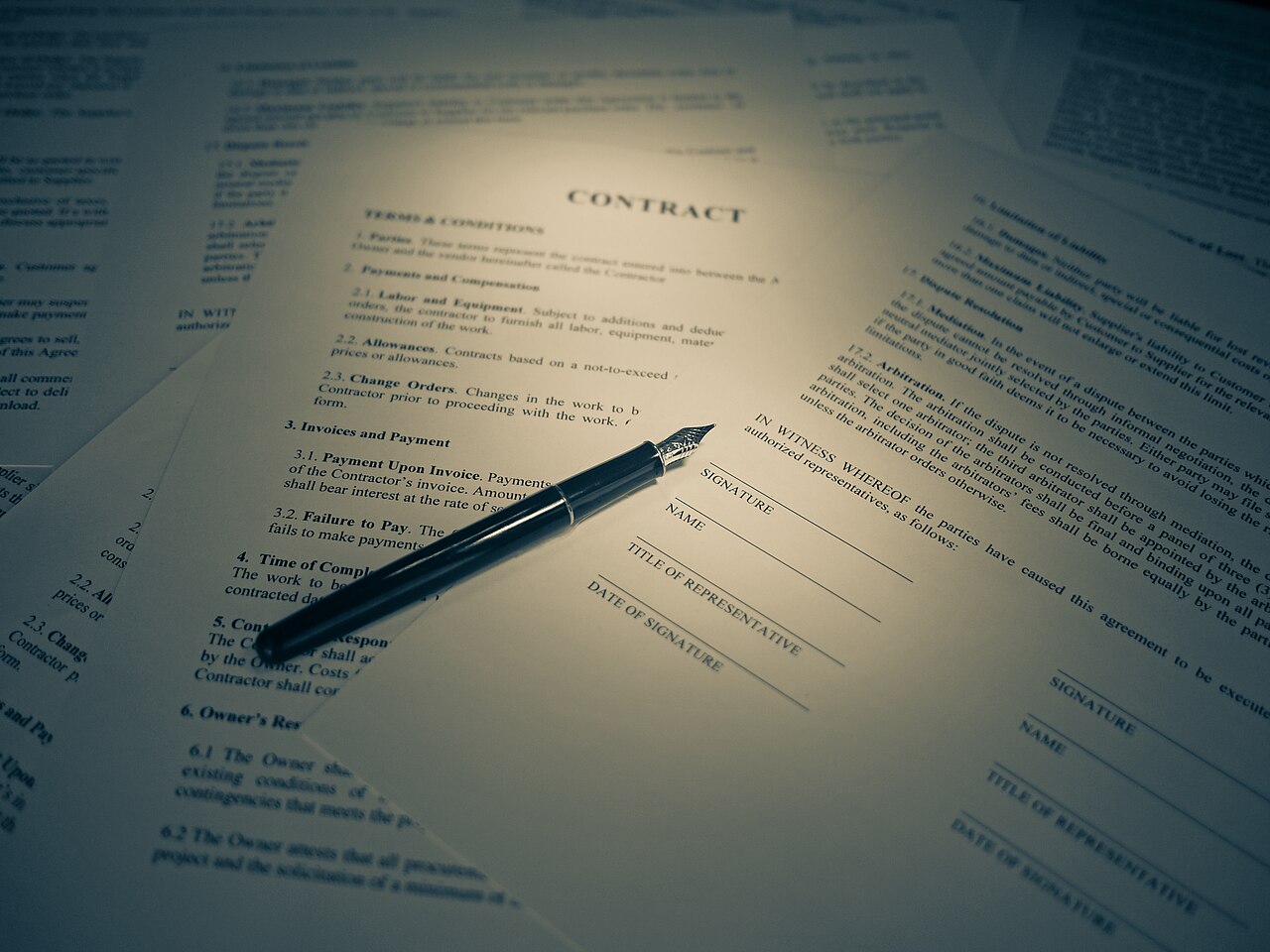
- One font family per vendor era. Invoices that mix Arial, Times, and Calibri on the same letterhead—or use perfect laser printing for every year—deserve scrutiny.
- Shops have hours. Service dates stamped Sunday at 2:14 a.m. at a closed franchise store are not subtle forgeries.
- Mileage must climb logically. Duplicate odometer readings, backward steps, and 40,000-mile gaps between oil changes break the narrative.
- Verify with the vendor. Call the RO number, not the seller’s phone. Dealer history printouts should match DMS formatting and be confirmable with the service department.
01What sellers fake—and why it works
Buyers reward documented timing-belt service, transmission fluid changes, and regular oil intervals. A $40 print job and PDF editor can add thousands in perceived value. Digital listings compound the problem: screenshots of “dealer records” in a camera roll are not chain-of-custody documents. The countermove is verification discipline before negotiation, not after purchase.
Start by separating administrative events (registration, emissions) from maintenance events (fluid, filters, belts, brakes). History reports often pad timelines with registrations; sellers do the same with oil stickers that do not match printed invoices.
High-value services—timing belts, water pumps, transmission fluid, transfer-case service, and brake fluid flushes—are the most commonly forged because they justify premiums on enthusiast and SUV listings. A seller who cannot produce vendor confirmation for a $1,200 timing service should not keep the price premium attached to it.
02Font, layout, and print tells
Legitimate dealer and independent shop invoices follow repeatable templates: logo placement, RO numbering format, line-item tax logic, and footer legal text. Forgeries often fail on details:
- Font inconsistency: Header in one typeface, line items in another, totals in a third—especially when purporting to be a single DMS export.
- Pixel-perfect novelty: Every page laser-crisp despite alleged age; coffee stains added cosmetically while QR codes point nowhere.
- Wrong branding era: 2014 service at a shop that did not use that logo until 2019; OEM oil specified before that spec existed.
- Duplicate invoices: Same RO number, different dates, or two “original” stamps on copies that should be unique.

03Impossible hours, RO math, and parts logic
Call the shop on the invoice—not the seller’s mobile—and ask for service manager confirmation of the repair order number. Many shops will confirm date, mileage, and major work without disclosing personal data. If the shop has no record, pause the deal.
| Claim on paper | Reality check | Likely meaning |
|---|---|---|
| Sunday night major service | Franchise closed | Likely fabricated timestamp |
| 0.3 hr timing-belt job | Impossible labor | Copied line items without shop reality |
| Brake job without pad part numbers | Missing parts detail | Template filler |
| Same mileage on three consecutive visits | Odometer not updated | Lazy forgery or odometer issue |
Cross-check parts numbers when listed. A cabin filter SKU on a transmission service line suggests copy-paste. Tax and shop-supply lines that do not match state rules for that county are subtler tells that still fail under scrutiny.
04Mileage chains, odometer photos, and history alignment
Build a simple spreadsheet: date, mileage, source. Each service invoice should sit above the prior entry. Gaps of 30,000 miles between oil changes while the seller claims “meticulous maintenance” are narrative breaks. Compare the chain to dashboard photos, inspection stickers, and history-report odometer tables. A single backward step is enough to pause the deal pending explanation.
Dealer history printouts should list advisor names and RO numbers you can verify. Independent-shop invoices should include shop phone numbers in the header—not only a mobile number written in pen. When mileage at PPI does not match the latest invoice within a few hundred miles, ask which reading is wrong before you assume clerical error.
05Dealer history printouts vs. history reports
Franchise dealers can print internal service history for VINs they serviced. Authentic printouts include DMS headers, advisor names, and RO sequences that verify by phone. Screenshots of a portal—especially cropped—are weaker evidence.
Compare dealer printouts to CARFAX/AutoCheck maintenance sections. They will not match perfectly—reporting lag is real—but major services should appear in both if they occurred at reported facilities. Upload both to the History Analyzer to flag mileage conflicts, sparse evidence density, and language that overstates what was reported.
06Digital forgeries: PDF metadata and screenshot chains
Modern forgeries are not only inkjet paper. Sellers export PDFs from design tools, screenshot them for messaging apps, and present camera-roll images as “dealer email.” Check PDF properties when you can: creation software, modification dates after alleged service, and fonts embedded inconsistently with OEM portals. A screenshot of a portal is weaker than a PDF downloaded while logged in at the selling dealer.
Email headers can confirm whether a “dealer sent this” story matches the domain on the invoice. Independent shops rarely use @gmail.com for official RO PDFs. When a seller refuses fresh portal access but insists records are “on file,” treat the claim as unverified until the shop confirms.
On marketplace listings, sellers sometimes attach a single oil-change PDF as proof for “full dealer service.” Ask for the complete chronology, not a highlight reel. If they claim privacy concerns, offer to call the shop together while you listen to RO confirmation—legitimate owners rarely object.
07When forged records kill the deal
Walk when vendors disavow multiple invoices, when mileage fraud is likely, or when forged records coincide with salvage indicators, airbag deployment without follow-up, or fresh engine-bay shampoo masking leaks. Negotiate only when a single minor discrepancy has a credible explanation—advisor typo, migrated DMS—and the PPI supports mechanical condition.
Put forged-record risk on the same tier as title brands: it is not a $500 haggle point when the maintenance story was manufactured. Either reprice to unknown-history comps or exit. If you proceed, make PPI findings and fluid analysis non-negotiable, and budget as if major services were never performed.
When you upload a seller PDF to the History Analyzer, pay attention to evidence-density scores and mileage-table conflicts alongside the title narrative. A report that looks clean while invoices fail vendor checks is a blended risk: unknown mechanical history with confident marketing.
Save vendor call notes with dates and representative names. If the deal sours later, your diligence file matters for disputes and chargeback conversations.
Community-reported patterns on similar model years can highlight common failure points to test on the PPI; browse Community Wisdom for owner-reported maintenance cadences—not as gospel, but as interview questions for the seller and shop.
When records look polished but the car smells like deferred maintenance—glazed brakes, dry rubber, and overdue fluids—believe the vehicle. Ask the seller for the shop’s phone number on each invoice and call before you travel. A two-minute verification costs less than discovering the binder was theater after you own the car.
Sources and verification notes
- NICB VINCheck and theft/fraud resources: https://www.nicb.org/vincheck
- CarmaDeal History Analyzer: https://carmadeal.com/history-report-analyzer
- NHTSA odometer fraud information: https://www.nhtsa.gov/odometer-fraud