The Toyota Prius normalized hybrid longevity, but 2026 buyers shop RAV4 Hybrid, Camry Hybrid, Honda Accord Hybrid, Ford Escape Hybrid, and dozens of others—each with different battery packaging, warranty terms, and real-world fade patterns. You are not buying “a hybrid.” You are buying a specific pack with a specific clock.
- Hybrid battery anxiety should be modeled, not guessed. Start with in-service date, mileage, and OEM hybrid battery warranty for the exact model year.
- Capacity fade is normal; sudden failure is different. Most buyers care whether performance and fuel economy remain acceptable for their use.
- Replacement cost planning ranges are market- and model-dependent—use local quotes and independent-shop estimates, not internet single numbers.
- A hybrid with little warranty left can still be rational if purchase price reflects a battery reserve you actually hold.
01Why “hybrids last forever” is the wrong question
The better question: How much usable hybrid capacity and warranty remain for my mileage plan, and is the price discount large enough if they do not? Modern nickel-metal hydride and lithium-ion packs generally degrade gradually rather than dying overnight, but degraded capacity can raise fuel consumption, reduce electric assist, and trigger warning lights on some platforms.
Forum folklore from early Prius taxis is not a warranty. A low-mileage 2018 SUV with highway-heavy use may have a healthier pack than a 2021 delivery vehicle with constant stop-and-go and heat exposure. Verify the individual car.
02Warranty windows: read the manufacturer clock
Most OEM hybrid high-voltage battery warranties run for a fixed period and mileage from the vehicle’s in-service date—often around eight years and 100,000 miles on many Toyota and Honda hybrids sold in the U.S., with variations by state emissions rules and model. Ford, Hyundai, Kia, and others publish their own terms.
Before you assign value, print the warranty booklet section for the high-voltage battery and note:
- Start date (in-service, not model year).
- Mileage cap and whether it is transferable to you as the second owner.
- Capacity-retention or failure criteria if stated.
- Whether prior repairs or module replacements reset any portion of coverage.
03Model families buyers actually shop
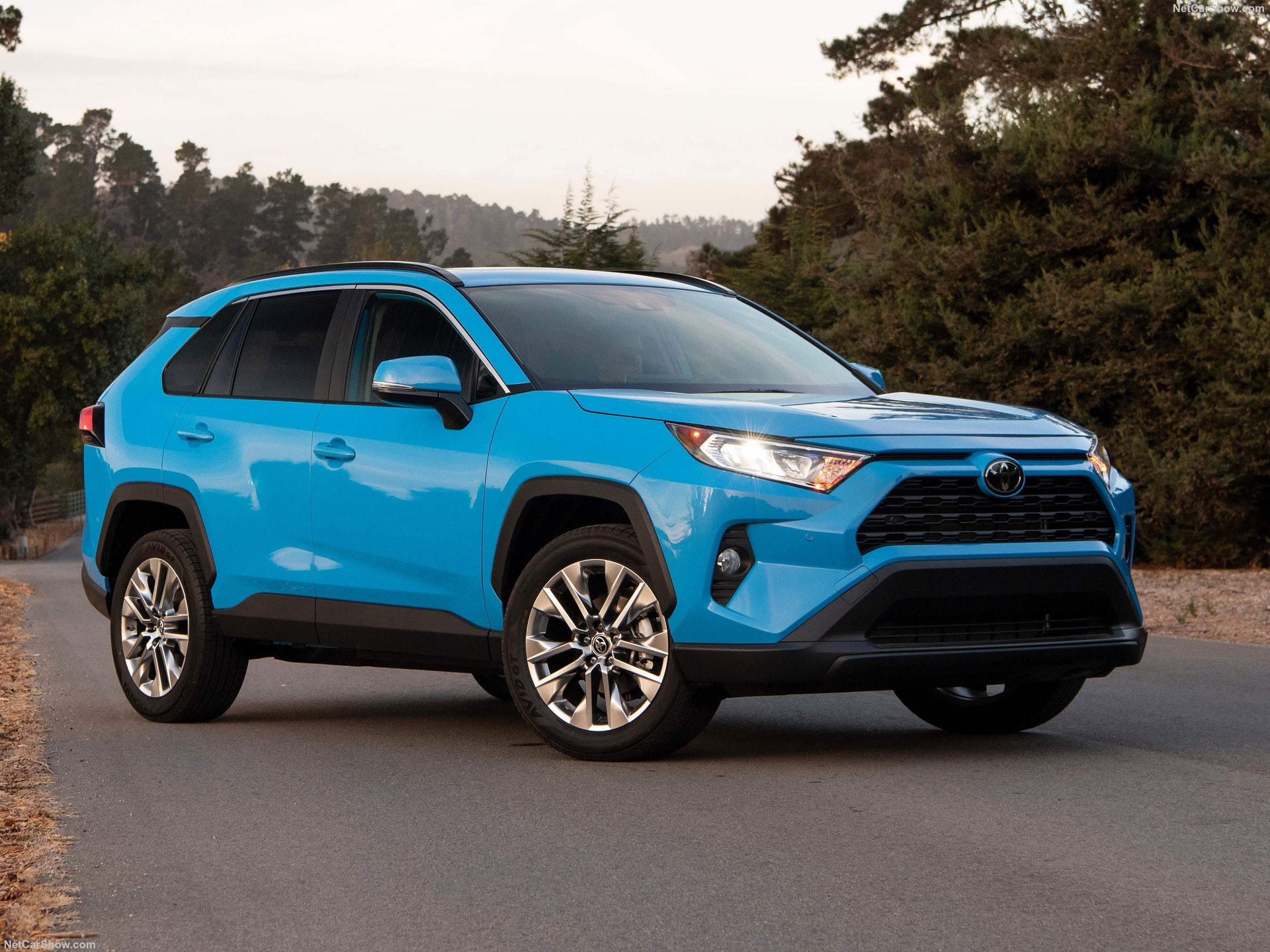
Toyota RAV4 Hybrid / Camry Hybrid / Corolla Hybrid: High-volume Toyota hybrids share ecosystem familiarity and broad independent-shop experience. Inspection focus: hybrid system warnings, inverter coolant service history, brake-regen behavior, and fuel economy relative to EPA for the trim.
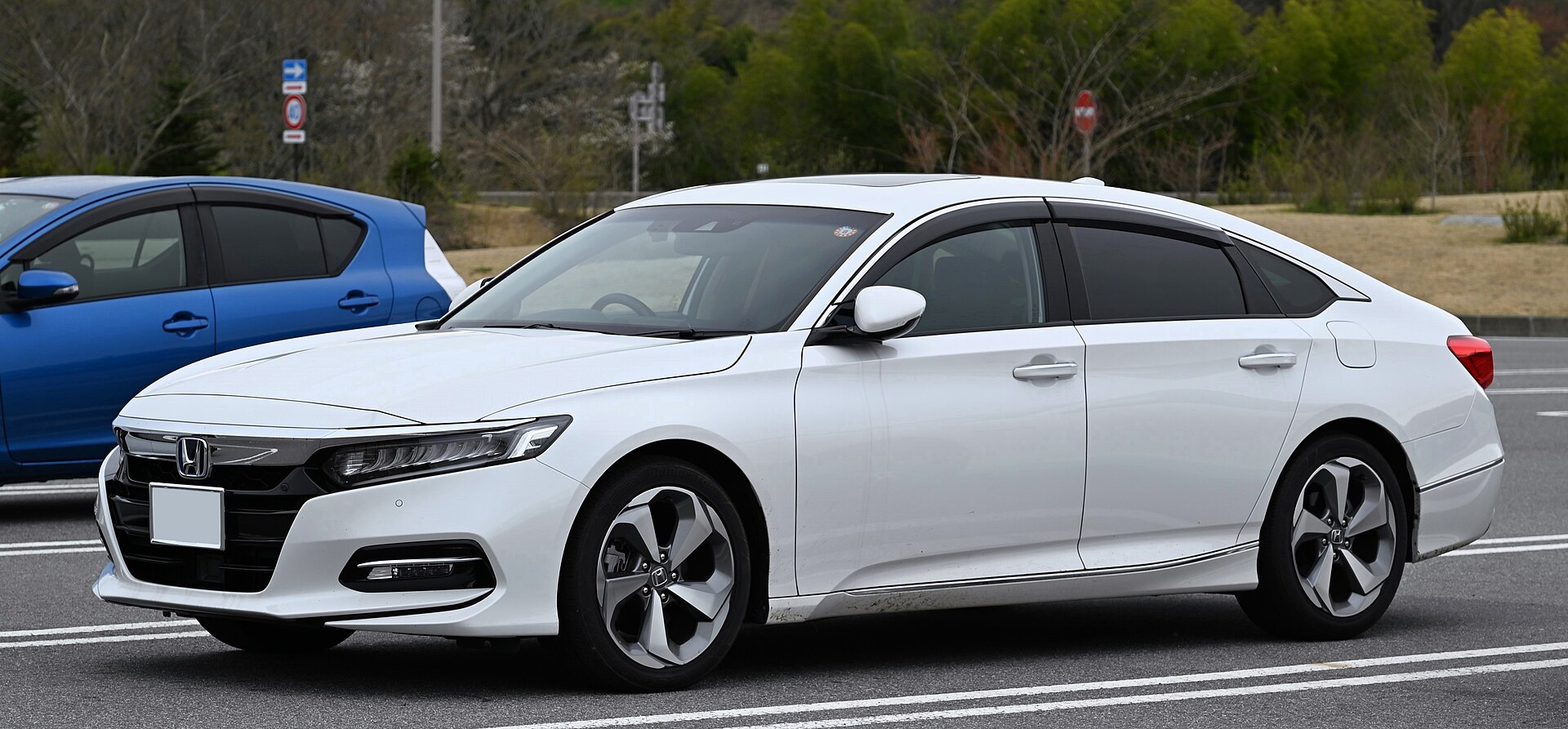
Honda Accord Hybrid / CR-V Hybrid: Honda’s two-motor approach delivers smooth operation; verify software updates, high-voltage system warnings, and 12-volt battery health—which can cause confusing symptoms unrelated to the main pack.
.jpg)
Ford Escape Hybrid / Maverick Hybrid: Ford’s newer hybrid volume means fewer long-term owner data points than Prius, but warranty terms still define your risk window. Check for hybrid-specific cooling and transmission integration on the exact powertrain.
Compare any candidate with a non-hybrid sibling using model-level ownership context—fuel savings only matter if battery risk is priced.
04Capacity fade vs. failure: what you can observe
Fade manifests as reduced electric assist, higher engine run time, and fuel economy drift. Failure can include warning lights, limp-mode messages, or inability to ready the hybrid system. They are related but not identical.
Practical checks without dealer-only tools:
- Scan for hybrid-related codes and pending faults.
- Compare lifetime or trip fuel economy to EPA and owner reviews for that trim.
- Listen for fan noise from the battery area and note unusual thermal warnings.
- Review service history for hybrid coolant, brake fluid, and 12-volt battery replacement.
Some manufacturers offer dealer battery health tests; independent shops may have limited options depending on model. Treat any health metric as one input, not a buy/pass oracle.
05Replacement cost planning without fake precision
CarmaDeal does not publish live hybrid battery prices—they move with labor markets, parts availability, and whether you choose OEM, remanufactured, or used modules. Planning approach:
| Planning tier | Illustrative use | Buyer action |
|---|---|---|
| Low concern | Years of OEM warranty remain | Verify in-service date; budget normal maintenance |
| Moderate | Warranty ending within your ownership | Get two local quotes; hold a reserve |
| Elevated | Out of warranty with fade symptoms | Discount purchase price or walk |
Obtain quotes for the exact VIN’s pack style. A remanufactured module, individual cell repair where legal and supported, and full OEM replacement sit at different price points and risk levels. Do not negotiate using a number from a different model year.
06When a hybrid is a bargain—and when it is a trap
Bargain profile: documented service, no hybrid warnings, warranty aligned with your hold period, purchase price below non-hybrid comps after fuel savings and a modest reserve.
Trap profile: out-of-warranty pack, warning lights, fuel economy far below norm, seller refuses scan, price identical to a non-hybrid with no reserve baked in.
Hybrids reward buyers who run arithmetic. Skeptics who ignore fuel savings overpay for gasoline; optimists who ignore battery runway overpay for electrification.
07Used hybrid shopping checklist
Before you make an offer on any non-Prius hybrid, complete this sequence:
- Confirm in-service date and remaining high-voltage battery warranty with a dealer or OEM portal printout.
- Scan hybrid, engine, and battery management modules for stored and pending codes.
- Compare observed fuel economy to EPA estimates for the trim and wheel size.
- Inspect 12-volt battery age and charging behavior—weak aux batteries cause false hybrid warnings.
- Request service records for hybrid coolant, brake fluid, and inverter-related maintenance.
- Quote replacement or remanufactured pack options locally if warranty ends within your hold period.
- Subtract a conservative battery reserve from your maximum offer when out of warranty.
This sequence works on a Deal Score worksheet the same way it works on a spreadsheet: evidence first, emotion last.
Climate matters for pack longevity: sustained high heat and frequent fast-charging on plug-in hybrids stress lithium packs differently than gentle suburban commuting on a nickel-metal hydride system. Ask how the car was used, but verify with service records and scan data—not only the seller’s commute story.
08The takeaway: budget the pack like a timing belt—on purpose
The Prius proved the technology. Your purchase decision happens on a window sticker with a VIN, a mileage odometer, and a warranty PDF. Model the window honestly, verify with scans and history, and let the discount reflect what you are actually assuming.
Replacement cost planning should include labor access, module-versus-pack strategy, and whether a refurbished pack is acceptable for your risk tolerance. Ask the seller for hybrid-system scan results, not just a green Ready light, and confirm whether any high-voltage warranty work transferred with the VIN. A healthy hybrid that fits your commute can still be an excellent buy — the point is to price the battery window the same way you would price tires and brakes.
Sources and verification notes
- U.S. Department of Energy Alternative Fuels Data Center, hybrid maintenance overview: https://afdc.energy.gov/vehicles/electric-maintenance
- Toyota hybrid warranty information: verify on toyota.com for the model year and sale state of the specific vehicle.
- Honda hybrid warranty information: verify on honda.com for the model year and sale state of the specific vehicle.
- Replacement cost ranges in this article are planning placeholders only; obtain written quotes for the exact VIN before purchase.