Lease-end decisions look binary—buy the car or return it—but the math has more moving parts than the residual printed on your contract. Disposition fees, excess wear and mileage charges, sales tax, registration, and the gap between residual and current market value can make buying a bargain, returning the rational choice, or turning the lease into a short-term flip opportunity. In 2026’s mixed used market, the right answer is arithmetic, not loyalty to the vehicle you have been driving for three years.
- Start with three numbers: the lessor’s buyout quote (residual plus remaining payments if applicable), your all-in cost to own including tax and fees, and the local retail or private-party value of the same VIN configuration.
- Disposition and wear charges belong on the return side of the ledger. Returning may trigger a disposition fee and assessed wear—even when buying feels expensive.
- Payoff quotes are not estimates. Request a written buyout figure good through a specific date; third-party purchases require lessor permission and correct payoff routing.
- Tax and title rules vary by state. Some states tax only the difference between market value and residual on lease buyouts; others tax the full purchase price. Verify before you celebrate a spread.
01Residual vs. market: where buyouts win or lose
Your residual is the contractual future value set at lease inception. Market value is what buyers pay today for your year, trim, mileage, and condition. When residual is below market, buyout can be attractive—you effectively purchase below current comparables if fees do not erase the spread. When residual is above market, buying locks in a loss relative to replacing the vehicle with a similar used listing.
Do not use national “average prices” from memory. Pull like-for-like comparables in your ZIP: same powertrain, driver-assist package, wheel size, and mileage band. On CarmaDeal, enter the VIN when available so equipment matches; otherwise match trim codes carefully. Illustrative planning example only:
- Buyout quote: $18,400 plus $350 disposition if returned (not if purchased—verify contract).
- Local comparable retail range for same spec: $16,800–$17,600.
- Spread: buying is roughly $800–$1,600 expensive before tax—unless wear charges on return would narrow the gap.
Conversely, a $15,900 buyout against a $18,500–$19,200 comparable band creates potential equity—subject to tax, reconditioning, and your willingness to keep the car.
02Fees, wear, and the return path
Buying avoids disposition fees on many contracts—but not all lessor charges. Returning triggers a different stack:
| Charge type | Typical planning range | Notes |
|---|---|---|
| Disposition (turn-in) fee | Often $300–$500 | Usually disclosed in lease; may be waived on lease-to-lease loyalty programs |
| Excess mileage | Per mile over allowance | Negotiate before inspection if you are near the threshold; consider a mileage-heavy buyout if cheaper |
| Excess wear | Itemized reconditioning | Document pre-existing wear; compare repair quotes to buyout if borderline |
| Missing equipment | Keys, mats, charge cables | Cheaper to replace before turn-in than to accept lessor billing |

Schedule the wear inspection with your own photos beforehand. Door dings, tire wear beyond policy, windshield chips, and curb-rashed wheels are common assessment items. If wear quotes approach the equity you thought you had on buyout, rerun the comparison including those charges on the return side.
03Payoff quotes, third-party sales, and lender permission
The buyout price on your app may be informational. The authoritative number is a payoff quote from the lessor or captive lender, valid through a date certain, showing taxes (if collected), remaining payments, and residual. For third-party purchases—selling to Carvana, a dealer, or a private buyer—the lessee typically still initiates buyout and title release; some lessors restrict third-party buyouts or add processing time.
If a dealer offers to “handle the buyout,” read the buyer’s order: are they buying your lease contract, trading into a new lease, or rolling negative equity forward? Each structure has different tax and title implications.
04Tax, title, and registration on lease buyouts
States treat lease buyouts inconsistently. Some tax the full purchase price; others tax only the difference between market value and residual; some offer sales-tax credit for prior lease payments. Title may list you as first retail buyer or as a lease buyout with prior lessor on history—either can affect future disclosure but is not automatically negative.
Budget illustrative registration and title fees—often $50–$300 depending on state—and insurance recalculation. A vehicle that was comprehensively covered under a business lease may cost more to insure as a personal asset.
Document every quote in writing. Decline replacement-vehicle pitches until the buyout-vs-return spreadsheet is complete.
05Worked example: buyout vs. return (illustrative only)
Consider a 2023 sedan lease ending with 38,500 miles. Written buyout quote: $17,250 good for 10 days. Disposition fee if returned: $395. Wear assessment estimate: $680 for two wheel curbs and a windshield chip. Local comparable retail planning band for same trim: $16,400–$17,100. Sales tax on buyout in a state taxing full purchase price at 6%: roughly $1,035.
Buy path all-in: $17,250 + $1,035 tax + $200 registration planning ≈ $18,485 before any reconditioning.
Return path: $395 disposition + $680 wear ≈ $1,075 out of pocket, then replace the car at market.
Analysis: Buying is roughly $1,300–$1,400 above the top of the comparable band before reconditioning—weak buy unless you value known history highly or wear charges rise on reinspection.
Swap the numbers—$15,800 buyout against a $17,500–$18,200 band—and buying gains $1,700–$2,400 of illustrative equity before tax. That is when captive lessor quotes deserve immediate follow-through, still subject to PPI and tire/brake reset costs.
Third-party equity plays follow the same rule: if a dealer or car-buying service bids above your buyout plus tax, confirm lessor payoff timing and power of attorney requirements before celebrating. Many deals fail on paperwork latency, not arithmetic.
06Decision matrix: buy, walk, or sell around the lease
Buy when buyout plus tax and immediate reconditioning is below the fair range for clean comparables, you know the vehicle’s history, and wear charges on return would erode value. Walk (return) when market value is materially below buyout and wear fees are manageable—or when you want to exit a problematic platform. Third-party sale when buyout is below wholesale/retail bids and lessor process allows a quick flip; confirm timing so you do not pay for unregistered days or insurance gaps.
Mileage overage near lease end deserves its own branch: if you are 4,000 miles over allowance at $0.25/mile, that is $1,000 on return—often enough to tilt a borderline buyout. Some lessors allow mileage forgiveness on lease-to-lease deals; treat those programs as marketing until the new contract shows waived charges in writing.
Document every quote in writing. Decline replacement-vehicle pitches until the buyout-vs-return spreadsheet is complete.
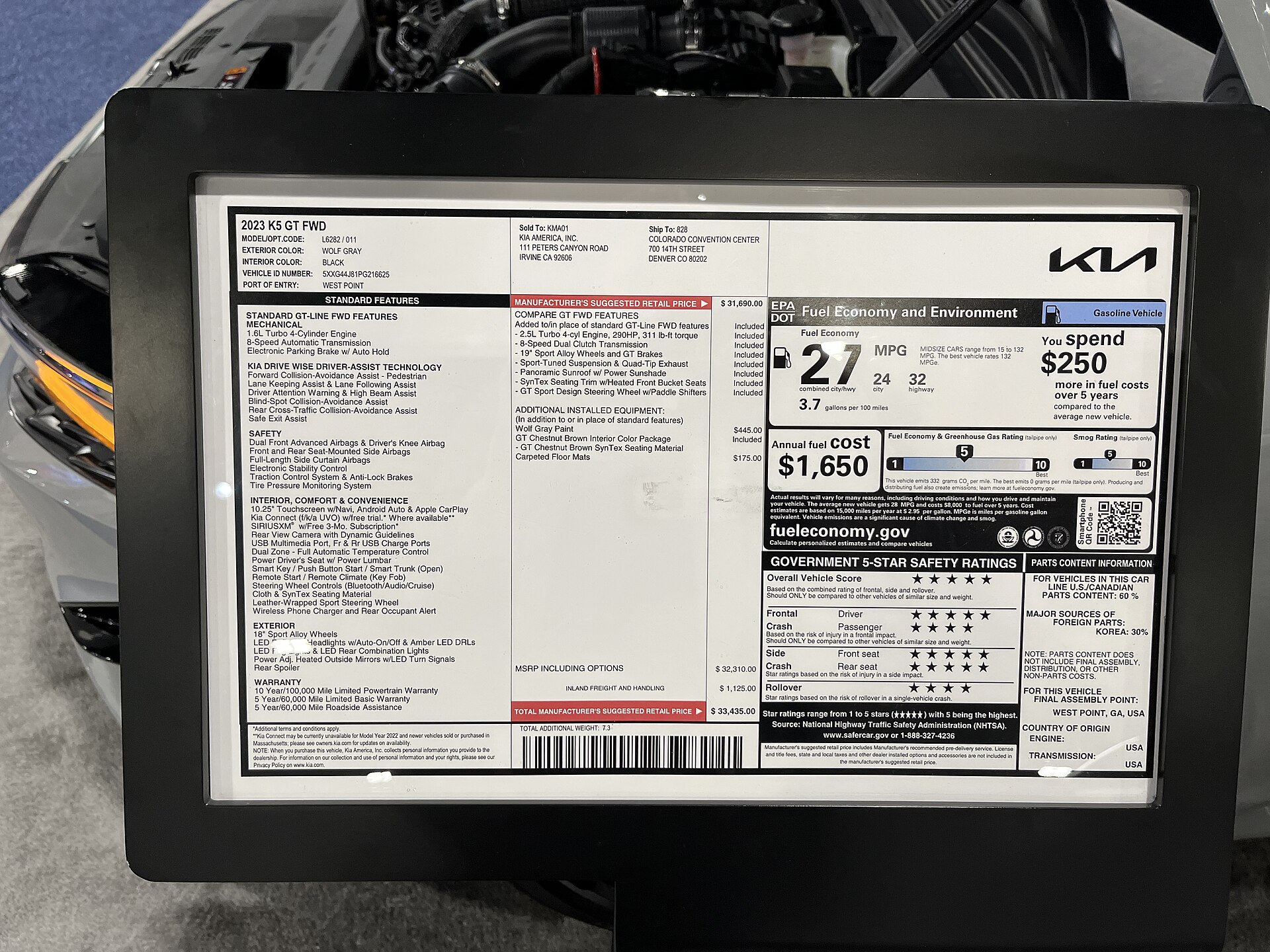
Cross-check odometer and title history before you buy the car you already drive: run the VIN through the History Analyzer if a report exists from prior ownership transfers.
Sources and verification notes
- Federal Reserve Consumer Finance discussion of auto leases: https://www.federalreserve.gov/consumerscommunities/community-development/publications/consumer-compliance-outlook/2020/winter/understanding-auto-leasing.htm
- CarmaDeal comparable pricing methodology: https://carmadeal.com/
- Tax and fee examples are illustrative; confirm lease-end charges with your lessor contract and your state DMV or revenue agency.