A pre-purchase inspection is not a courtesy test drive. In 2026, with complex electronics, turbo and hybrid systems, and more auction-sourced inventory, the PPI is the transaction filter that separates a defensible purchase from an expensive guess.
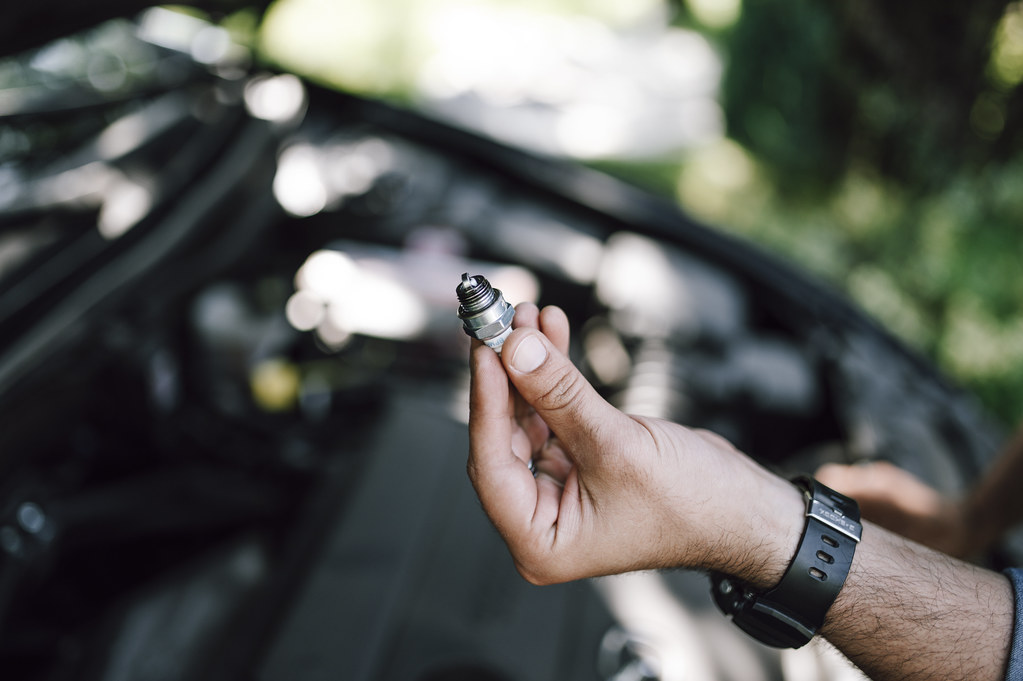
- Schedule the PPI before you negotiate final price or send a deposit. Make the seller’s cooperation a condition of the deal.
- Insist on a true cold start, a lift inspection, and a manufacturer-capable scan—not only a generic OBD code pull.
- The report should include measurements, photos, fluid condition, tire and brake specs, and a prioritized repair list with planning ranges.
- Walk when the seller blocks inspection, clears codes without explanation, or refuses to let your inspector speak with the shop directly.
01What a PPI is—and what it is not
A pre-purchase inspection is an independent mechanical and safety evaluation of a specific vehicle at a specific mileage, performed for the buyer’s benefit. It is not a warranty, not a guarantee that nothing will ever break, and not a substitute for title, lien, and history verification. It is the best way to convert “seems fine” into documented evidence.
Dealer “multi-point inspections” and seller-provided checklists serve the seller’s process. Your PPI serves your budget. If the seller says the car was “just inspected,” ask who paid, what was measured, and whether you can have the same shop inspect it on your dime. Different incentives produce different thoroughness.
For most buyers, the right order is: verify the VIN and history, compare the asking price with local comps, then schedule the PPI on a car that still makes financial sense on paper. Skipping straight to inspection on a mispriced or title-compromised vehicle wastes money and emotional energy.
02Who should perform it
Match the inspector to the vehicle. A general repair shop can handle many mainstream sedans and SUVs. A brand specialist or independent shop with deep experience on that platform is worth the trip for German luxury, performance models, trucks with complex emissions hardware, hybrids, and EVs.
Ask upfront:
- Do you perform used-car PPIs for buyers (not only sellers)?
- Will you provide a written report with photos?
- Do you have lift access and a scan tool that reads manufacturer modules?
- What is the flat fee, and what is excluded (compression test, borescope, EV battery health)?
Expect to pay a planning range—often roughly $150–$250 for a mainstream vehicle and more for complex platforms or extended diagnostics. That fee is cheap compared to discovering deferred timing service, structural rust, or a pending transmission fault after you own the title.
03The cold start: do not let warmth hide the evidence
Sellers know cold starts reveal problems. Many will leave the engine running before you arrive, park on a clean slab after a long drive, or schedule appointments only after the car has heat-soaked. Your job is to verify the engine is cold before the key turns.
On arrival, touch the hood and exhaust tip. Confirm the seller has not recently run the car. Then observe the first 60 seconds:
- Cranking time and idle stabilization.
- Smoke color and volume from the exhaust.
- Belt noise, ticking, knocking, or rattling on startup.
- Warning lights that flash and disappear.
- Idle quality before and after the first throttle blip.
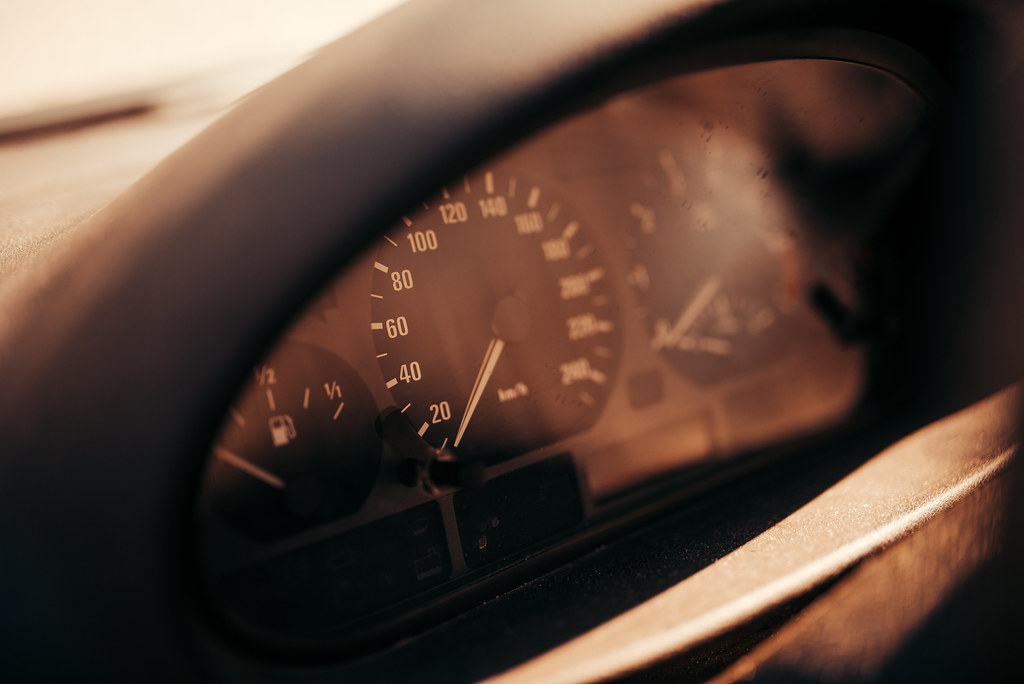
Photograph the cluster at the beginning of the visit. A seller who refuses a cold start without a credible explanation—recent repair, safety in a public lot, storage constraints—should trigger a harder conversation, not automatic trust.
04On the lift: structure, leaks, and wear you cannot see from the curb
Cosmetic detailing is cheap. Underbody evidence is harder to fake. The lift portion of the PPI should inspect frame rails, subframes, crash repairs, fluid leaks, suspension bushings, brake lines, exhaust integrity, and tire inner shoulders.

Specific areas that change deals:
- Fluid leaks at the engine, transmission, differential, and transfer case—with note of seep versus active drip.
- Rust and prior damage on structural members, not only cosmetic rocker panels.
- Suspension and steering play, torn boots, leaking struts, and uneven tire wear patterns.
- Brakes measured in millimeters, rotor condition, and flexible line age.
- Exhaust and emissions hardware including catalyst, sensors, and visible repairs.
If the seller will not allow a lift inspection at a shop of your choice, offer to pay a mobile inspector with a jack and safety stands at a controlled location. If that is still blocked, treat the denial as information.
05Scan tools, road test, and the written report
A generic OBD dongle that reads only current powertrain codes is a starting point, not a PPI. Ask for a scan that includes pending and permanent codes, readiness monitors, and manufacturer modules when the platform supports them—ABS, airbag, transmission, hybrid battery, ADAS, and body control modules matter on modern cars.
The road test should cover cold and warm behavior, highway merge, braking from speed, steering return, transmission shift quality, vibration, and abnormal noises over bumps. For AWD and 4WD vehicles, verify engagement modes. For hybrids, listen for inverter coolant pump noise and watch for warning messages during transition between power sources.
| PPI deliverable | Minimum standard | Why it matters |
|---|---|---|
| Written summary | Pass / conditional / fail with reasons | Creates a negotiation record |
| Photos | Leaks, tires, rust, damage | Supports price adjustment or walk-away |
| Measurements | Brake pad mm, tread depth, battery test | Turns “good” into numbers |
| Scan export | Stored and pending codes | Reveals hidden faults and recent clears |
| Repair estimate | Planning ranges for major findings | Feeds your total-cost model |
You are buying the report, not a verbal summary in the parking lot. Request it by email before you leave the shop.
06Turn findings into price—or walk
A clean PPI does not mean you overpay. A rough PPI does not always mean walk away. The question is whether asking price + immediate repairs + risk reserve still lands inside your fair range.
Use three buckets:
- Immediate safety or legality: tires, brakes, lights, structural rust, active airbag or ABS faults—fix before driving or walk.
- Near-term maintenance: fluids, belts, plugs, battery, alignment—deduct from offer using local quotes.
- Major system risk: engine noise, transmission slip, hybrid battery warnings, flood evidence—price as unresolved or exit.
Compare your adjusted number with CarmaDeal’s fair-buy range for the same trim and mileage. If the seller will not adjust and the PPI reserve breaks your budget, walking is the correct outcome—not failure.
07When to walk without guilt
Walk when:
- The seller refuses any independent inspection or limits it to a drive-only.
- Codes were recently cleared and the seller cannot explain why.
- Title, lien, or history checks conflict with the seller’s story.
- The PPI finds flood, frame, or airbag evidence inconsistent with the listing.
- The seller pressures you to skip inspection because “another buyer is coming.”
There are always more cars. The expensive mistake is not losing one listing—it is owning someone else’s deferred maintenance.
Sources and verification notes
- CarmaDeal buyer methodology and inspection priorities: https://carmadeal.com/
- NHTSA VIN decoder and recall lookup: https://www.nhtsa.gov/vin-decoder
- Repair and PPI cost ranges in this article are illustrative planning figures; obtain VIN-specific quotes from a qualified inspector in your market.