Timing-system failures are among the fastest ways a "great deal" becomes a tow-truck story. Belts and chains do different jobs with different evidence standards: a belt engine often demands proof of interval service by mileage; a chain engine demands listening, oil-quality history, and sometimes manufacturer-specific campaigns. This guide helps you classify the risk, demand the right paperwork, and walk away when documentation does not exist.

- Timing belts are replaceable maintenance items. An engine at or past interval without proof is priced risk—not "maybe fine."
- Timing chains are designed to last longer but can fail from oil neglect, tensioner wear, or design-specific issues—listen cold, scan, and research the exact engine family.
- Acceptable evidence is an invoice with date, mileage, shop, and parts—not "my buddy did it" or a sticker with no VIN.
- Illustrative belt-service planning ranges often land roughly $600–$1,800+ depending on engine layout and water-pump inclusion—replace with local quotes for your VIN.
01Belt vs. chain: different failure modes, different homework
A timing belt synchronizes the crankshaft and camshaft with a toothed rubber belt running on tensioners and idlers. Manufacturers publish replacement intervals because belt material ages, oil contamination accelerates wear, and a broken belt on an interference engine can destroy valves and pistons in seconds. A timing chain uses metal links and sprockets, typically lubricated by engine oil. Chains can last the life of the vehicle—or they cannot, especially when oil changes were skipped, tensioners fail, or guides wear on specific engine families.
Your first step on any used candidate is not a forum thread. Decode the VIN, confirm engine code and model year, and open the factory maintenance schedule for that exact powertrain. If the schedule lists a timing-belt replacement interval, treat overdue service as a line item in your offer—even if the engine runs quietly today.
Dealers sometimes advertise "new timing belt" without specifying mileage at service. Ask for the RO and verify the belt was done on this VIN, not on a shop poster in the waiting room.
02Which engines use which—and why guessing fails
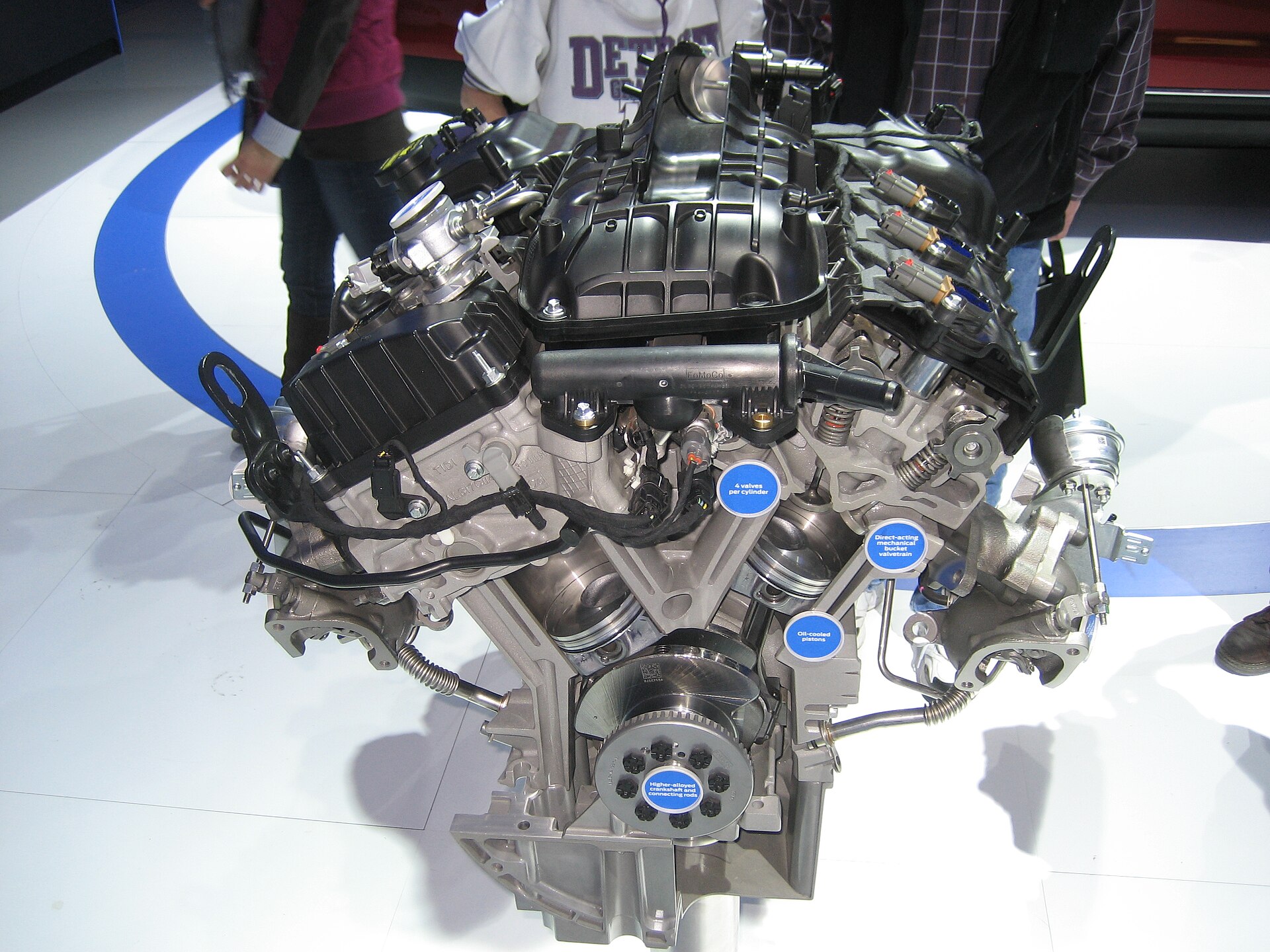
Platform generalizations are dangerous. Toyota's 2.5-liter four in many Camrys uses a chain; older Honda V6 applications often used belts; many Subaru four-cylinders use chains while some older six-cylinders used belts. Ford's EcoBoost V6 family uses chains, but that does not erase turbo, phaser, and oil-quality risk. European four-cylinders may use either depending on generation and market. Nissan's VQ V6 family historically used chains on many applications, while some four-cylinders in economy cars used belts with well-known interval requirements.
Even within one model year, engine code can differ by trim or production date. A mid-year change from belt to chain—or the reverse—shows up in factory service data, not in the seller's memory of "it's a Honda, they don't have timing belts." Always reconcile door-jamb labels, VIN decode output, and the maintenance schedule PDF for that code.
Build a three-line spec card for your candidate:
- Engine code and displacement from the door label and VIN decode.
- Belt or chain per factory schedule for that code.
- Whether the engine is interference-type (common follow-up when belt risk is high).
Store that card in your notes before the test drive. Sellers routinely confuse "timing belt" with "serpentine belt," and serpentine-belt freshness does not clear timing-belt debt.
03Invoice evidence buyers should demand
For belt engines, acceptable proof includes:
- Shop name, RO number, date, and vehicle mileage at service.
- Parts list showing timing belt kit, tensioners, and whether the water pump was included.
- Alignment with factory interval (early is fine; undocumented late is not).
For chain engines, invoices matter when prior chain, tensioner, or guide work was performed—or when oil pump or front-cover service suggests prior noise complaints. Also collect oil-change history: neglected oil is chain risk in slow motion.
Red-flag phrases: "we think it was done," "the shop closed," "it has a new belt but no paperwork," or "I will text you the receipt after deposit." Deposits do not create documents.
If the seller offers a partial record—belt only, no tensioners, or water pump skipped—treat it as incomplete service. Many factory schedules recommend replacing the water pump with the belt on certain engines because the labor overlap is the economical moment to do it. Paying twice because someone cheaped out on the first job is a classic used-car tax.
04Planning cost ranges—illustrative, not quotes
Use ranges to negotiate, not to budget blindly. On many mainstream four-cylinder belt engines, a timing-belt kit with tensioners might plan roughly $600–$1,200 in parts and labor at an independent shop, while transverse V6 layouts with water-pump inclusion can land closer to $900–$1,800+. Chain-related noise diagnosis can start under $200 for inspection but escalate to $2,000–$5,000+ when front-cover removal, guides, or phasers enter the conversation—highly engine-specific.
Add the range to your offer math when documentation is missing:
Adjusted offer = market-based target − unverified timing service − other maintenance gaps
If the adjusted offer insults the seller, that is information: the car may already be fairly priced for someone else to assume the risk. Your job is not to win every negotiation—it is to avoid buying someone else's deferred maintenance at retail.
Some buyers ask whether they should purchase an extended warranty instead of doing the belt service up front. Warranties have exclusions, deductibles, and claim processes; they are not a substitute for proof on a belt that is due now. If you choose a warranty anyway, read the powertrain section for timing-system exclusions before you rely on it.
05Inspection and listening protocol
On belt engines due soon, listen for belt slap or tensioner tick, but do not treat quiet as proof. On chain engines, perform a true cold start: confirm the engine is cold to the touch, start without throttle, and listen for rattle in the first three to five seconds. Repeat after a short drive and hot idle. Scan for cam/crank correlation codes and review freeze-frame data if available.
Pair mechanical diligence with history tools. The History Report Analyzer will not hear timing noise, but it can surface odometer inconsistencies, auction churn, or gaps that make seller maintenance stories less credible. Use both.
When you negotiate, put timing uncertainty in writing: "Offer assumes timing belt service verified at 87,000 miles per attached invoice; otherwise price reduced by $X to cover scheduled service." That sentence protects you better than a handshake at the end of a test drive.
Chain noise that disappears after two seconds may still warrant a specialist opinion—especially on engines with known tensioner or guide campaigns. A $150 diagnostic fee is cheap compared to buying a rattle you cannot un-hear.
Record a short cold-start video with seller permission. Audio and timing evidence travels better than memory when you compare two candidates later the same weekend.
Bring the factory interval printout—or a specialist’s written estimate—to the negotiation. If the seller cannot produce a dated invoice with mileage, shop name, and parts description, price the full service as if it is due tomorrow. That single adjustment often turns a “great deal” into a correctly discounted car—or a walk.
Sources and verification notes
- Factory maintenance schedules and owner's manuals for the exact engine code (belt interval, interference notes).
- NHTSA VIN decoder: https://www.nhtsa.gov/vin-decoder
- CarmaDeal History Report Analyzer for ownership and title context.
- Repair ranges are illustrative planning figures; obtain written estimates for the specific VIN before purchase.