Tires are the only part of the car that touch the road—and they age out of service even when tread depth looks generous. Rubber oxidizes, sidewalls craze, and age-hardened tread loses grip long before it wears smooth. DOT week-year codes on the sidewall tell you when a tire was manufactured, not when it was installed. On used vehicles, mismatched ages, wrong load or speed ratings, and garage queens with factory rubber from a prior decade are common negotiation levers that casual buyers miss.
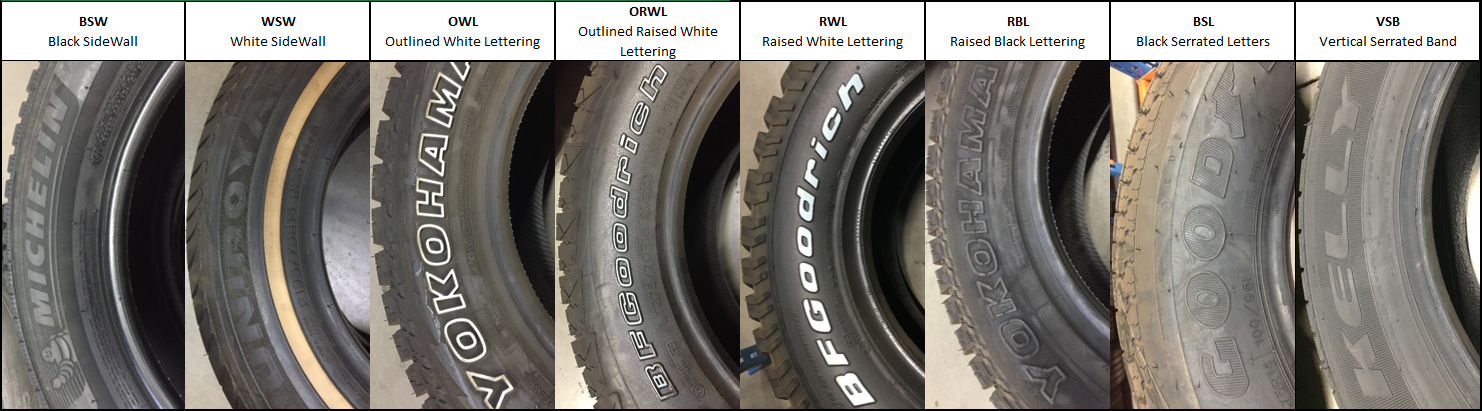
- DOT last four digits are manufacture week and year. “2419” means approximately the 24th week of 2019. Check all four tires plus the spare.
- Industry guidance commonly replaces at six to ten years regardless of tread, depending on climate, storage, and use—verify against tire manufacturer recommendations for your application.
- Mismatched sets signal neglect. Two new fronts on a worn rear axle may hide alignment issues, staggered wear, or prior collision repair.
- Load and speed ratings must match placard requirements. Downrated or passenger-car tires on SUVs are a safety and insurance issue—not a minor discount item.
01How to read DOT date codes
Find “DOT” on the sidewall, then the trailing four digits in the DOT block (pre-2000 tires used three digits—rare on modern used inventory). The first two digits are the week of manufacture; the last two are the year. If only one side is visible after mounting, roll the car or use a mirror—do not skip inner sidewalls on staggered setups.
Installation date matters for wear, but manufacture date matters for age-out. A tire made in 2017 and installed in 2018 is still a 2017-origin rubber compound. Document all four corners and the spare in photos for negotiation.
DOT codes can appear on only one sidewall; on low-profile tires the inner date may face the wheel. Use a flashlight and mirror, or ask the PPI shop to record dates during tire rotation. Sellers sometimes replace only the two visible outers and leave aged inner rubber in place on dually or staggered setups—rare but worth checking on performance cars.
02Dry rot, cupping, and the “plenty of tread” trap
Look for sidewall cracking (dry rot), bulges, impact bubbles, and tread blocks that feel rock-hard compared with a known-fresh tire. Tread depth gauges measure quantity, not grip. Uneven wear—cupping, feathering, inner-shoulder wear—points to alignment, suspension, or rotation neglect that will destroy a new set quickly if uncorrected.
Heat cycles and UV exposure accelerate aging on cars parked outdoors year-round. Garaged vehicles can still age out when DOT codes show eight-plus years—especially on the spare and rear inner sidewalls buyers skip. Press the sidewall with a gloved thumb: rubber that feels glazed or brittle suggests replacement regardless of tread depth remaining.
| Finding | Risk | Negotiation response (illustrative) |
|---|---|---|
| Even 6/32" tread, 9-year-old tire | Age-hardened rubber | Plan full replacement; negotiate $600–$1,200+ depending on size |
| Mixed brands, mixed dates | Rotation/alignment neglect | Inspect suspension; price matched set |
| Downrated load index | Placard violation | Do not drive until corrected; major safety flag |
| Spare missing or ancient | Incomplete safety kit | Add spare replacement to offer math |
03Load, speed, and fitment checks
Door-jamb placard lists required size, load index, and speed rating. SUV and truck buyers especially should confirm the installed tire meets or exceeds placard minimums. Low-profile performance rubber on a family SUV may be a previous owner’s choice—not an acceptable substitute.
Check for staggered sizes on RWD performance cars; mismatched age across axles affects handling balance. Run-flat specifications matter on vehicles designed for them—switching to conventional tires may require a spare solution.
04Staggered setups, spares, and truck/SUV caveats
Performance coupes and sports sedans often run staggered widths and different rear diameters. Age mismatch across axles can be intentional in theory but dangerous when one axle is six years older than the other. Trucks and SUVs add load-range complexity: LT-metric vs. P-metric, E-load vs. C-load, and placard pressures that change with tire size. A previous owner’s “all-terrain upgrade” may look aggressive but under-load the vehicle if load index dropped.
Full-size spare tires hidden under the bed deserve the same DOT check as road tires. Many trucks still carry the factory spare from build date—excellent for authenticity, terrible for age. Factor a modern spare and jack check into your PPI when you plan remote travel.
05How tire age changes price—even when tread passes
Sellers often advertise “new tires” when one axle was replaced. Build a tire line in your offer worksheet:
- Measure tread depth at inner, center, and outer grooves on each tire.
- Record DOT dates and photograph sidewalls.
- Price a matched set in your size from reputable retailers—use a planning range, not a fabricated live quote.
- Add alignment if wear patterns demand it ($100–$200 planning range at many shops).
If the seller claims recent replacement, request purchase invoices with date and size. Without receipts, price as if you will replace within the first 90 days.
Negotiation language can be specific: “DOT codes show 2016 manufacture on three corners; I’m deducting a matched set and alignment from my offer.” Attach photos to your message so the seller cannot claim misunderstanding. If they replace tires before sale, verify new DOT codes and retain the invoice—some sellers install the cheapest aged inventory from warehouse stock.
06The takeaway: read the sidewall before you read the odometer
Tires are consumables with a clock independent of mileage. On low-mile garage-kept cars, age is often the limiting factor. On high-mile commuters, mismatch across corners tells a maintenance story the seller may not volunteer. Combine tread depth, DOT age, and placard compliance into one negotiation number—and refuse to let “lots of tread” close the deal without sidewall evidence.
Winter and summer tire swaps add complexity: a seller may mount fresh all-seasons for the listing while aged winters wait in the garage. Ask for photos of every set included in the sale and record DOT codes on each. A “free extra set” with 2016 date codes is not free storage—it is disposal labor you inherited.
On AWD and 4WD vehicles, mismatched diameters can stress differentials even when tread depth looks fine. Placard size is not optional because “it drove fine.” Match size, load, and speed ratings across axles unless the manufacturer explicitly allows staggered fitment in the owner’s manual.
Track-focused sellers may advertise “200 treadwear” rubber that is heat-cycled and aged out. Performance tires can show adequate depth while compound hardness has increased. If you plan track days, budget fresh rubber regardless of DOT date; if you plan commuting, prioritize even wear and correct load index over aggressive tread patterns.
Photograph every sidewall during the PPI and attach the images to your offer message. Evidence beats argument when asking for a tire credit.
See how consumable resets sit beside market range on the sample report, then score the exact listing on CarmaDeal.
Sources and verification notes
- NHTSA tire safety and aging guidance: https://www.nhtsa.gov/vehicle-safety/tires
- Tire Rack guidance on tire age and replacement: https://www.tirerack.com/tires/tiretech/techpage.jsp?techid=11
- Replacement cost ranges in this article are illustrative planning figures; price the exact size and load rating for your VIN and wheel package.