A clean-looking title photo is not a clean history. VIN identity, NMVTIS records, listing photos, seller paperwork, and an independent inspection must agree.
- NMVTIS is the national system designed to surface state title brands plus junk, salvage, and insurance-total-loss information. Use an approved consumer provider.
- NHTSA vPIC decodes manufacturer-submitted VIN configuration data. It can help verify identity and equipment; it does not prove clean title, no accident, or no flood.
- Listing photos can reveal inconsistencies, but panel gaps and fastener marks are screening clues—not structural diagnoses.
- For an out-of-state purchase, make a clean title, independent inspection, and document review written conditions of payment.
01Understand title washing
The Department of Justice describes NMVTIS as a national repository intended to make it difficult to conceal brands such as flood or salvage when a vehicle is retitled. “Title washing” commonly refers to a brand disappearing or becoming less obvious through a new state title, inconsistent state terminology, or fraud.
No consumer report is complete in every circumstance. Use NMVTIS, a commercial history report when appropriate, state title resources, the seller’s actual title, and an inspection. If records conflict, stop the transaction until the conflict is resolved in writing.
Technical Deep Dive 01Use vPIC for identity—not innocence
Decode the VIN through NHTSA vPIC and compare:
- Model year, make, model, body type, engine, drive type, and plant.
- VIN visible in the listing, windshield, door label, title, and service records.
- Trim and equipment claimed in the ad.
A mismatch can indicate an innocent listing error, a clone, a replaced label, or the wrong vehicle. It always requires explanation. A perfect match only proves that the VIN decodes consistently; it does not clear the history.
Technical Deep Dive 02Read the photos like evidence
Request original-resolution images in daylight. Look for:
- Uneven panel gaps, misaligned lamps, or doors sitting proud.
- Paint color or texture changes across adjacent panels.
- Overspray on weatherstripping, liners, VIN labels, or fasteners.
- Tool marks or missing factory finish on hood, fender, hatch, or door bolts.
- New carpet or seat hardware next to corrosion, silt, or oxidized connectors.
- Condensation in lamps, water lines in the spare-tire well, or staining under trim.
- Airbag warning lights, wrinkled dash covers, mismatched seatbelts, or missing SRS labels.
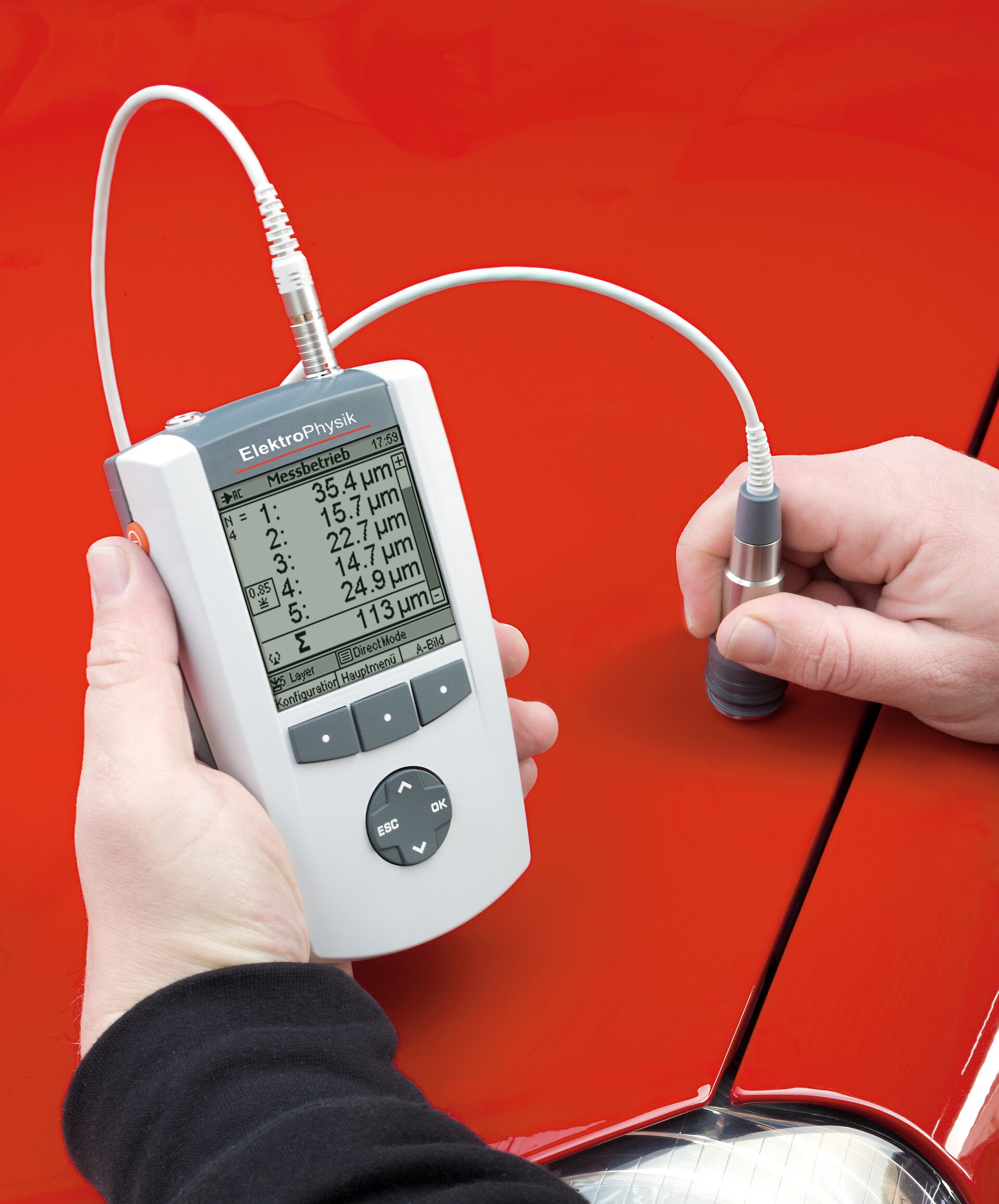
A paint meter can add evidence when used by someone who understands factory variation, aluminum or composite panels, and prior cosmetic repair. A single high reading does not prove structural damage.
Technical Deep Dive 03Control the sight-unseen transaction
- Verify the seller’s legal name against the title and lien information.
- Run VIN identity, recall, NMVTIS, and commercial-history checks.
- Hire an independent shop—not the seller’s preferred inspector—for a lift, scan, body, flood, and safety-restraint inspection.
- Use a written purchase agreement making title and inspection results conditions of sale.
- Use a payment and title-transfer method that protects both parties; do not wire funds based only on emailed images.
- Recheck the VIN on the vehicle at pickup or delivery.
05The takeaway: trust agreement across sources
A concealed total loss often survives because the buyer lets one clean-looking artifact overrule several small inconsistencies. Reverse the rule: the VIN, title, history, photos, modules, and physical car must agree.
Sources and verification notes
- DOJ/NMVTIS consumer guidance: https://vehiclehistory.bja.ojp.gov/nmvtis_consumers
- NHTSA VIN decoder: https://www.nhtsa.gov/vin-decoder
- NHTSA recall lookup: https://www.nhtsa.gov/recalls
- CarmaDeal editorial policy: https://carmadeal.com/editorial-policy
- Vehicle-history reports can contain gaps; always pair them with title verification and an independent inspection.