Full-size and midsize trucks hold value because buyers expect decades of service—but frame and bed rust rewrite that math faster than any engine failure. In the salt belt, a clean cab and strong powertrain can hide structural scale that makes the truck unfinanceable, uninspectable, and unsafe. In dry climates, the same model may carry honest surface oxidation and still be a rational buy. The inspection is regional, the negotiation is VIN-specific, and the walk-away line is structural—not cosmetic.
- Region changes the risk curve. Salt-belt exposure, coastal humidity, and trapped road brine accelerate perforation on frame rails, crossmembers, bed mounts, and fuel and brake lines.
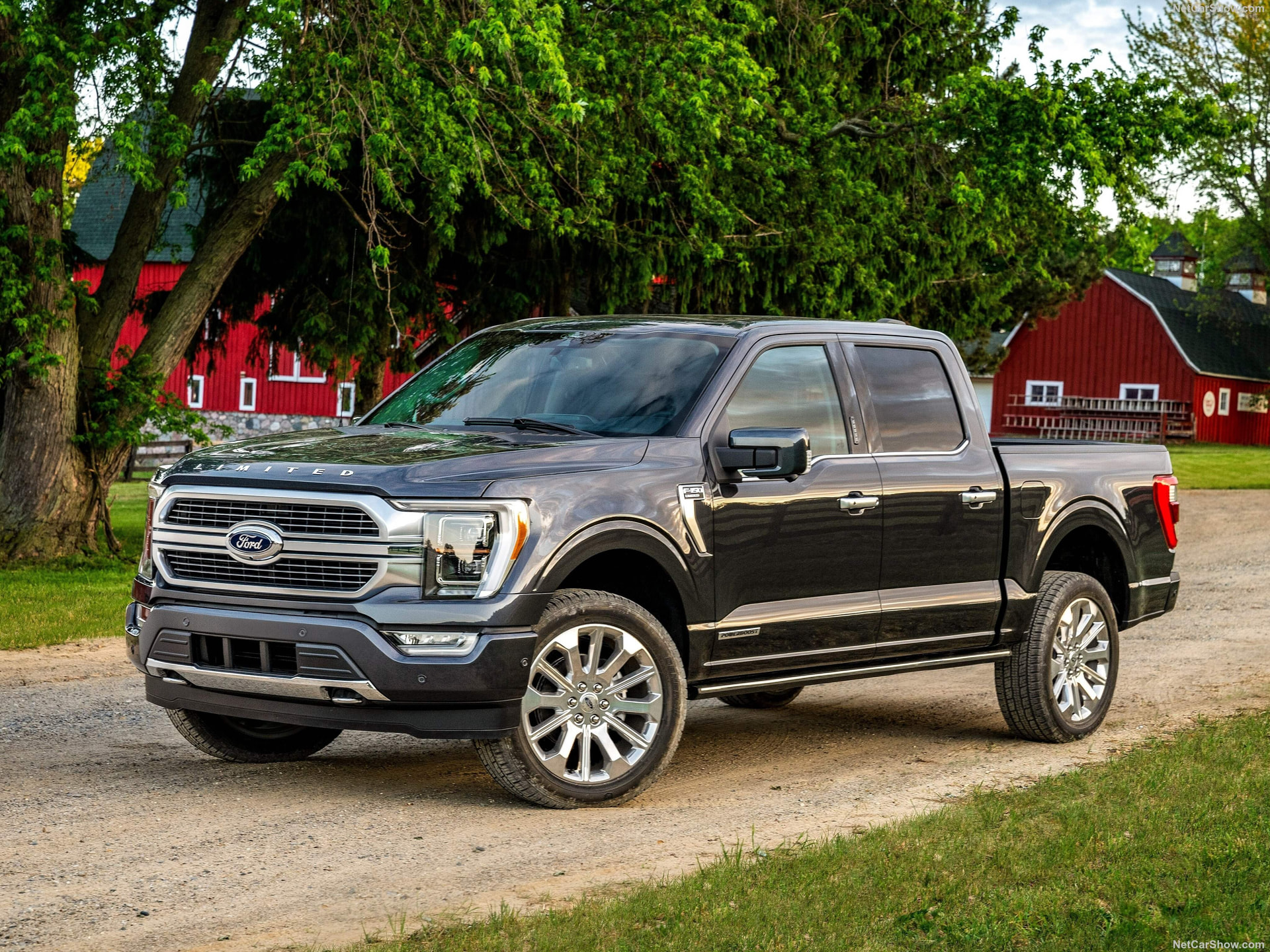
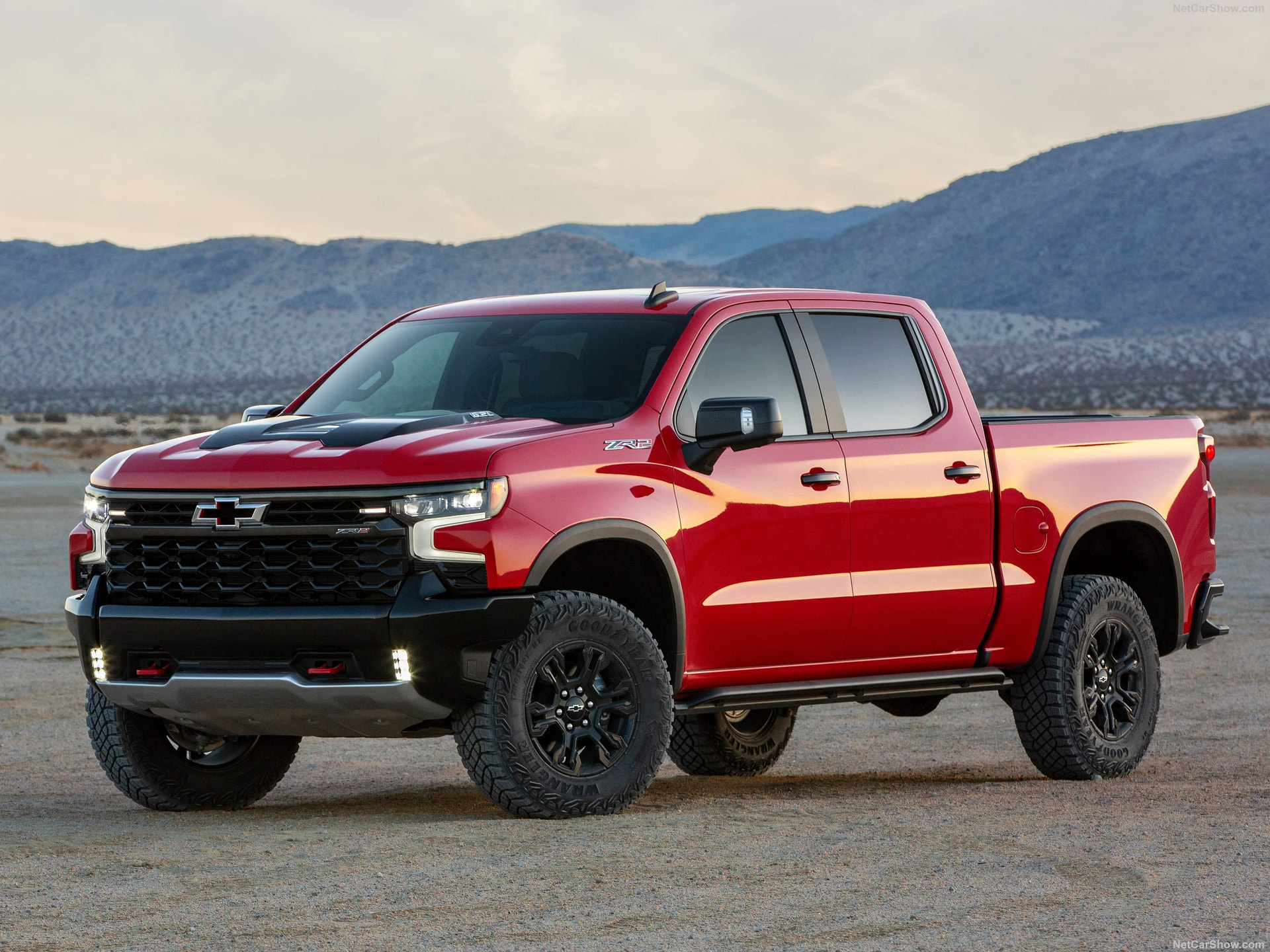
- Platform inspection priorities differ. F-150 aluminum body panels can look pristine while steel frame areas corrode; Silverado bed corners and rear crossmembers are common failure points; Tacoma and smaller trucks still rust where mud packs against boxed sections.
- Fresh undercoating is not evidence. Rubberized coating applied over active scale can trap moisture, hide flaking metal, and delay discovery until a lift inspection.
- Walk away when structure is compromised. Perforated rails, separated mounts, pinched brake lines, or a bed that has shifted on rotten supports are deal killers—not negotiation chips.
01The ZIP code is a mechanical bill
Dealers and private sellers often market trucks by mileage, trim, and engine. Buyers in warm states shopping online can inherit a vehicle that spent ten winters in Michigan, Ohio, Pennsylvania, or upstate New York. Title and registration chronology—not the current listing location—tells you which chemical environment shaped the underside.
Road salt and brine do not evenly attack a truck. Splash zones behind the front wheels, the rear frame horn areas, hitch mounts, spare-tire carriers, and the junction where the bed meets the frame collect slurry and hold it through spring thaw. Coastal trucks add chloride from air exposure; farm and construction trucks add mud that keeps frames wet. A truck that “never towed” can still be a structural loss if it commuted on salted highways daily.
Before you discuss price, ask: Where did this truck live each winter for the last eight to twelve years? Then verify with history records, service invoices, and a lift inspection. A CarmaDeal report helps you compare the asking price with local comparables while you build a rust-risk reserve—not a fabricated score, but a planning range for expected remediation or a walk-away decision.
02What to inspect on F-150, Silverado, and Tacoma
These three nameplates dominate the used market, but rust does not respect badge loyalty. Use the same discipline on every truck; adjust emphasis by platform and cab/bed configuration.
| Platform | High-priority rust zones | Secondary clues |
|---|---|---|
| Ford F-150 (steel frame) | Rear frame horns, fuel-tank straps, bed-mount bolts, hitch area | Cab corners where water tracks from drip rails; bed floor over frame (not just cosmetic bed liner) |
| Chevrolet Silverado 1500 | Rear crossmember, bed corner supports, brake lines along frame | Rockers and cab mounts; look for previous bed replacement or shims at mounts |
| Toyota Tacoma | Frame-rail rear sections on older generations, spare-carrier area, leaf-spring mounts | Inside of rear bumper structure; trapped mud behind skid plates |
On any truck, probe—not just look—at:
- Frame rails forward and aft of the rear axle: bubbling paint, flaking scale, and soft metal when tapped with a pocket screwdriver.
- Bed-mount hardware: elongated holes, fresh washers hiding wallowed metal, or a bed that sits slightly twisted.
- Brake and fuel lines: corrosion at clips and bends; fresh tape or overspray near lines is a yellow flag.
- Exhaust hangers and spare-tire winch mounts: inexpensive parts that reveal how long moisture has been working.
Four-wheel-drive trucks add front suspension and transfer-case skid areas where packed mud holds salt. Two-wheel-drive highway trucks can still fail at the rear because the bed and hitch concentrate exposure.
03Undercoating: protection, cosmetics, or concealment
Factory or aftermarket undercoating can extend frame life when applied to clean metal and maintained. It becomes a liability when sellers spray rubberized coating over active rust to quiet a sale. The coating traps moisture against steel, obscures spreading scale, and forces the next buyer to pay for stripping, assessment, and possible structural repair.
Ask directly: When was undercoating applied, by whom, and what did the frame look like before application? Receipts help. Vague answers plus a glossy undercarriage on a northeastern truck should move money from your offer into a remediation reserve—or end the conversation.
04Salt belt vs. dry climate: what changes on the same truck
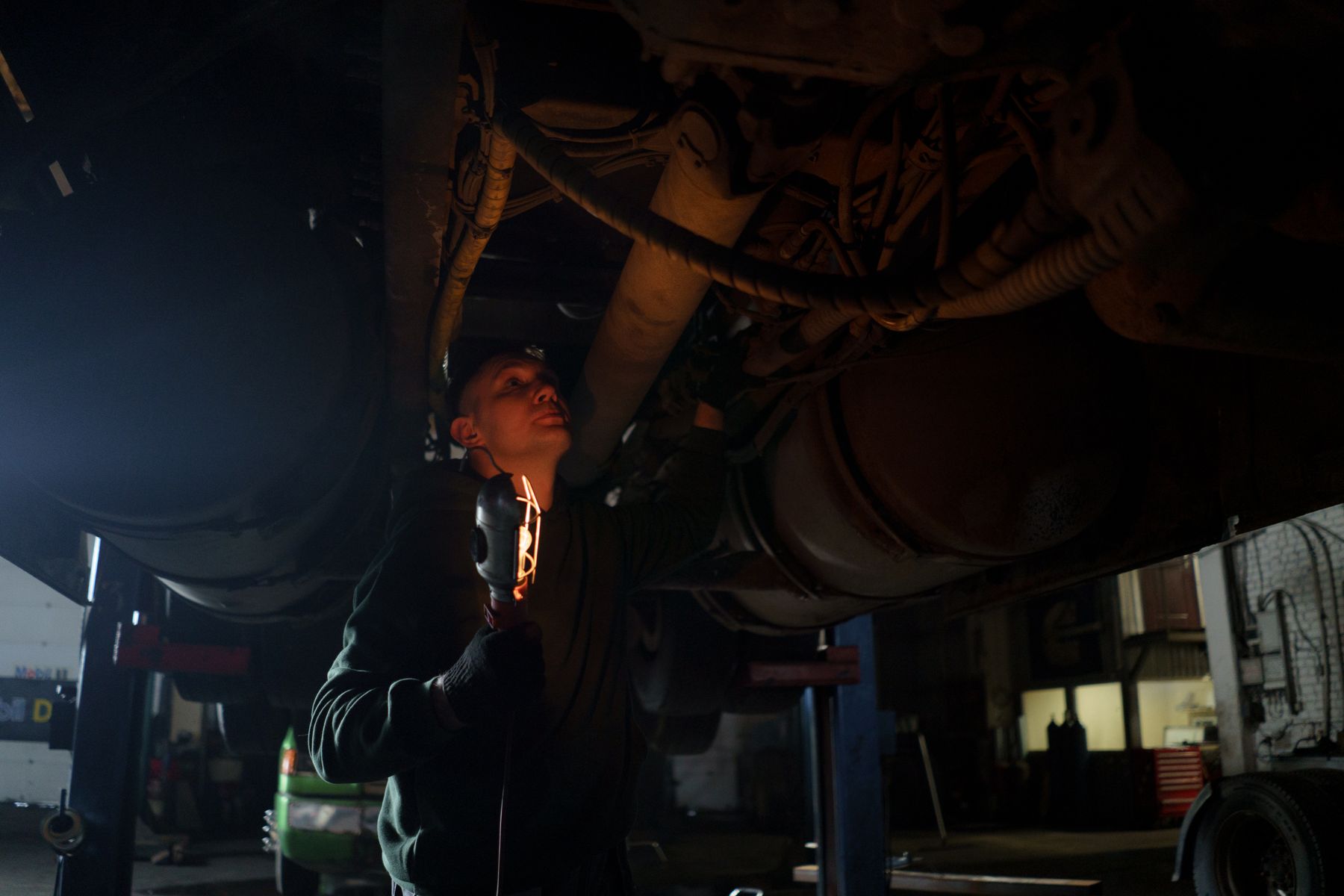
The same model year and mileage can present entirely different underbodies depending on winter chemistry and storage. Salt-belt trucks often show scale first at rear frame horns and bed mounts; dry-climate trucks may exhibit only light surface oxidation on exposed flanges while suspension bushings age normally. Neither is automatic approval—dry heat can crack rubber and bake bushings, while coastal dry air still carries salt mist.
When shopping nationally, weight registration history over current GPS. A truck listed in Phoenix with continuous Ohio registration through last winter is a salt-belt truck that moved, not a desert truck. Use history reports and seller disclosure, then confirm on a lift. Illustrative planning: budgeting $0–$400 for proactive line inspection in a dry-market example versus $800–$2,500+ for remediation assessment in a known salt-belt example is reasonable—not a quote, but a negotiation posture.
Insurance and finance partners may decline coverage or limit loan terms on vehicles with structural rust notes in PPI comments. That resale friction belongs in your buy-side math even if you plan to keep the truck long term.
05When rust kills the deal—and when it becomes a price adjustment
Surface rust on outer flanges with solid metal underneath may be acceptable on an older work truck if priced accordingly. Perforation, structural thinning, or compromised mounting points are different categories.
Walk away when you find:
- Holes through frame rails or crossmembers, or metal that crumbles when probed.
- Bed or cab mount locations that have lost material; shims and new bolts do not restore structure.
- Brake lines with deep pitting or prior rubbing against weakened brackets.
- Evidence of collision repair that welded plates over rust without treating substrate—common on auction-rebuilt trucks.
Negotiate with a documented reserve when you find limited scale on non-structural components, replaceable lines, or localized patches with professional invoices and post-repair photos. Use illustrative planning ranges—not invented market prices—such as $400–$1,200 for line and hanger refresh, or $1,500–$4,000+ for bed-bolt area remediation when a shop has quoted metal renewal. If remediation cost plus purchase price exceeds a clean-comparable budget, the truck is already too expensive.
Compare the seller’s ask with trucks in dry-climate listings only after you normalize condition. A $2,000 lower ask can disappear into structural repair and still leave you with a branded-history truck on resale.
06The takeaway: buy the frame, not the front grille
Trucks are tools. The frame is the tool’s spine. In salt-belt markets, assume rust risk until a lift inspection proves otherwise. In dry markets, still inspect—neglected drain holes and prior coastal ownership happen. Pair market comparison on CarmaDeal with a rust reserve line item in your offer worksheet, and refuse to let fresh undercoating substitute for metal evidence.
Need a structured checklist before the PPI? The sample Deal Score shows how inspection priorities sit beside fair-range and walk-away numbers on one sheet.
Sources and verification notes
- NHTSA VIN decoder: https://www.nhtsa.gov/vin-decoder
- CarmaDeal buyer methodology and comparable pricing: https://carmadeal.com/
- Repair and remediation ranges in this article are illustrative planning figures; obtain VIN-specific quotes from a qualified frame or collision facility before purchase.