Every September, someone declares that "now" is the best time to buy a used car. They are half right. Fall often changes seller urgency, buyer traffic, and the mix of vehicles arriving from leases and fleet returns—but none of that matters until you translate it into your market, your trim, and your comparables. This guide shows how to read the fall window without inventing live national averages or pretending you know a dealer's floorplan schedule.
- Fall often increases choice more than it guarantees lower prices. Read the window through local comps, not national headlines.
- Off-lease and fleet returns can add supply in popular segments, but model year, mileage band, and trim still control whether your car got cheaper.
- Inventory age is leverage only when price cuts stalled, substitutes exist, and the fair-range band says the ask is still high—see our 45-day lot rule framework.
- Your offer should still anchor to like-for-like comparables from CarmaDeal or equivalent live data; seasonality adjusts confidence, not the math.
01What "fall window" actually means
Used-car markets are local auctions, local weather, local job markets, and local dealer mix—not one national chart. Fall still produces repeatable patterns worth understanding. New-model-year advertising pulls attention toward fresh inventory. Families who needed a car before school started have often already bought. Some sellers become more motivated as daylight shortens and lot traffic cools. At the same time, buyers hunting all-wheel-drive and winter-ready crossovers can re-enter for specific segments, which means a "soft" market nationally might still be competitive for clean Subaru, Toyota, and Honda utilities in snow-belt ZIP codes.
The disciplined move is to treat fall as a research season: widen your search radius slightly, track how long candidates sit, and note whether price reductions are keeping pace with comparable mileage drops. If you need a car this week, fall framing will not override a thin local supply. If you can wait six weeks, fall framing helps you decide whether patience is rational—or whether you are chasing a discount that your market will not deliver.
Private-party sellers also participate in fall dynamics. Estate sales, relocations, and "we bought a new car" listings often appear as weather turns. Those sellers may care less about extracting the last dollar than about clearing driveway space before winter—again, verify with comps, not vibes.
02How to read seasonality without fake national facts
You do not need a press-release average to shop intelligently. You need a repeatable comp read:
- Pick three to five like-for-like listings (year, trim, drivetrain, mileage band) within your practical radius.
- Record ask, days visible, and any price changes you can verify.
- Run each serious VIN on CarmaDeal and note where the ask sits in the fair-buy band for that configuration.
- Compare out-the-door quotes when dealers are involved—fall add-ons and doc-fee games do not take summers off.
That workflow produces a market read you can defend in negotiation. Saying "it's fall so offer 15% less" does not. Seasonality is a context layer on top of comps, similar to seller type or reconditioning quality—not a replacement for them.
Tax and registration seasonality matters too. Some states see registration-renewal traffic in late fall; others tie inspections to birth months. None of that changes your obligation to compare out-the-door figures apples-to-apples when dealers are involved.
03Off-lease patterns: more cars, not automatically better cars
Lease returns and fleet disposals can increase volume in mainstream sedans, compact SUVs, and three-year-old luxury entries each fall. That matters strategically: more supply at a given mileage band can flatten asking prices if condition is comparable. It does not mean every off-lease car is a bargain. Lease returns often arrive with deferred wear—tires, brakes, curbed wheels, interior scuffs—and dealer reconditioning varies wildly.

When you evaluate an off-lease candidate, prioritize:
- Mileage clustering: many examples near 36,000–45,000 miles can compress prices for that band—verify with trim-matched comps.
- Single-owner lease history: easier to read than auction-chain inventory.
- Damage disclosures: turn-in inspections are not buyer inspections.
- CPO packaging: compare normalized out-the-door price against a private-party or independent-dealer alternative.
Illustrative planning thought experiment only: if trim-matched comps cluster in a band you trust, a car priced above that band is expensive even during a "supply wave." If it sits high in the band but needs $1,500 of immediate tires and brakes, it is more expensive still. No national average required.
04Inventory age leverage—and its limits
Dealers track days in stock because carrying cost is real. Buyers should track the same signal—but carefully. Our 45-day lot rule article explains why there is no magical deadline: age helps when price history is flat, substitutes exist, and the ask remains above the fair range. Age hurts your leverage when the car is fairly priced, freshly reconditioned, or genuinely scarce in your radius.

Combine age evidence with questions:
- When did the price last change, and by how much?
- Are there same-trim substitutes within 25 miles?
- Did the car return from repair or auction, resetting the clock without resetting the risk?
Your negotiation line should sound like market math, not calendar superstition: "This VIN has been listed for nine weeks, two similar cars sold inside the fair band, and your ask is still $1,100 above the midpoint. My offer is $X before tax and title."
05What to watch through late fall
As winter approaches, segment demand can shift faster than headlines update. All-wheel-drive utilities may firm up in northern markets. Rear-wheel-drive sports cars and convertibles may soften where storage matters. Tax-refund season is still months away; dealers know that, too. Watch listing velocity in your segment, insurance quotes on the exact VIN, and whether new incentives on current-year models are pulling used prices down—or only pulling attention away from used stock.
Pair market reading with history diligence. A fall discount on a rebuilt-title or odometer-anomaly car is not a window—it is a trap with better marketing. Run serious candidates through the History Report Analyzer and refuse to let seasonal urgency skip the PPI.
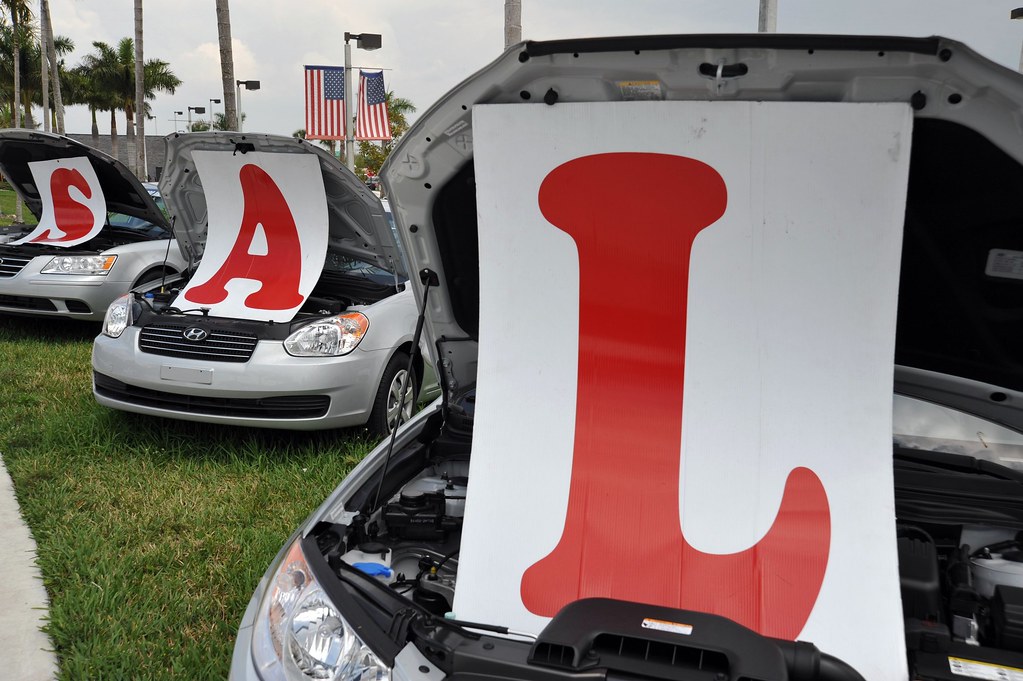
Finally, keep a short spreadsheet of candidates: VIN, first-seen date, ask history, fair-band position, and notes from calls. After three weeks you will know whether your market is actually softening or whether you simply needed more patience to find the right trim. That evidence beats any seasonal slogan on a windshield banner.
When in doubt, favor the listing with transparent history and a fair-band position you can explain—not the lowest ask with the murkiest story. Fall supply is only a win if the car you buy is the right car.
Treat seasonal advice as a hypothesis to test against the VIN in front of you. Pull local comparable asks, note days-on-market and price cuts, and only then decide whether “fall” strengthens your offer. A scarce trim with fresh demand can ignore the calendar entirely—while a common crossover aging on the lot may reward patience even in a “seller’s month.”
Sources and verification notes
- CarmaDeal, The 45-Day Lot Rule Is Not a Rule — inventory-age negotiation framework.
- Industry discussions of floorplan expense and inventory turn (e.g., NADA variable-operations training materials) — concept reference only; dealer terms are not public.
- CarmaDeal History Report Analyzer for listing and history diligence.
- This article intentionally avoids citing live national average used prices; validate all offers with current local comparables.