The average 3-year-old used car now transacts at $31,548 — the second-highest first quarter ever recorded, $616 shy of the all-time peak (Edmunds). Headlines call it a crisis. We'd rather call it what it is for a prepared buyer: a market where everyone else is discouraged, distracted, and paying sticker. Averages aren't prices. Here's how to buy under the number.
- Three-year-old used cars average $31,548 — second-highest Q1 on record (Edmunds) — and the broader market is up $1,300+ since January (CARFAX index).
- Averages hide spread: the same exact-trim car routinely lists $3,000 apart within one metro. Your job is finding the cheap percentile, not a cheap model.
- Documented cars in the 75–100k-mile band price 25–30% below their low-mileage twins — the biggest legal discount in the market.
- At $30K stakes, a trim lie or hidden recall costs more than ever. The 15-second VIN check is no longer optional hygiene — it’s the whole defense.
01Face the $31,548 Math — Then Refuse to Pay Retail for It
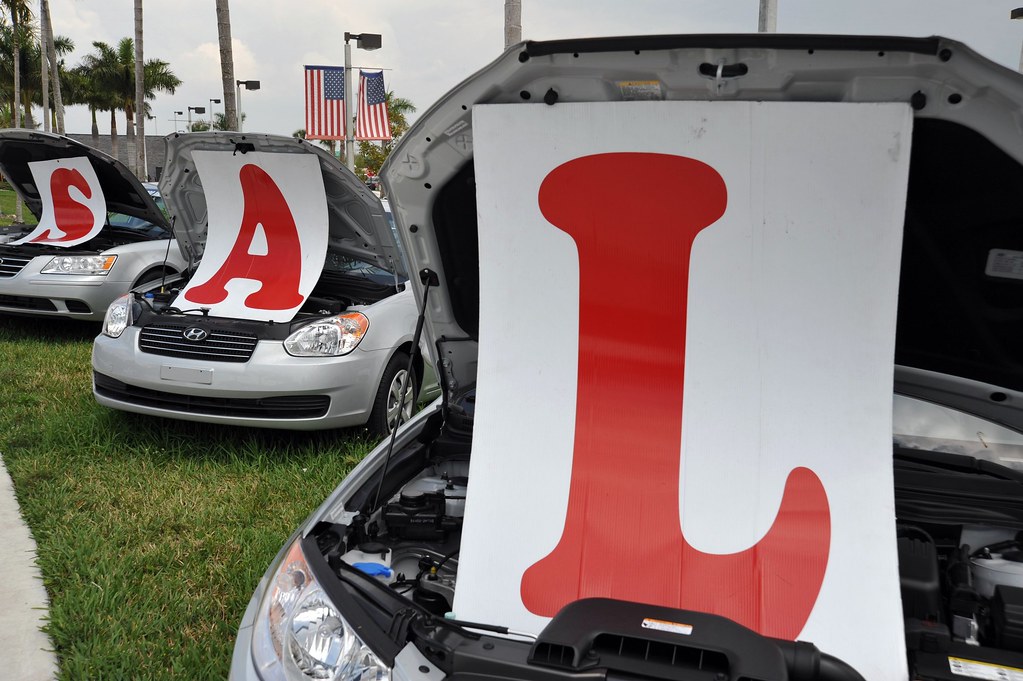
The forces behind the number are real and not going anywhere this year: tariffs pushed new-car buyers down-market (up to $8,900 per import), gas prices stampeded everyone into the same efficient segments, and the shortage-era production dip still echoes through used supply. Accept the level; reject the price. Every tactic below works because the market is expensive — a discouraged market is an unattentive one.
02Shop the Percentile, Not the Price Tag
In an expensive market, the spread is where the money is. Identical exact-trim cars sit $3,000 apart in a single metro right now — momentum sellers anchored to headlines next to realists who need the car gone. A CarmaDeal report places any asking price on the local fair-range band and tells you the percentile you'd be paying; the deal score turns that into a verdict out of 100. In July 2026, "GOOD DEAL under the midpoint" is a search filter, not a stroke of luck — the listings exist, they're just camouflaged by the averages.
The market being up $1,300+ since January says nothing about the listing in front of you: intra-metro spread on the same exact trim routinely exceeds $3,000 — more than double the surge itself. Buying at the 25th percentile of an expensive market beats buying average in a cheap one.
Source: CARFAX index, CarmaDeal comparables03Raid the 75–100k-Mile Band for the 25–30% Discount
The market still pays an irrational premium for sub-50k odometers — which means it pays you to ignore one. A documented one-owner car at 85,000 miles typically prices 25–30% under its low-mileage twin with most of its reliable life ahead; that's $7,000–9,000 off a $30K average, for reading a service folder. The records are the entire trick — evidence replaces the odometer premium, and our history analyzer grades that evidence in 20 seconds. No folder, no deal; full folder, full discount.
| The move | What it saves | Why it exists |
|---|---|---|
| Documented 75–100k miles | 25–30% under the low-mileage twin | Market prices the odometer, not the evidence |
| Gas twin of a hot hybrid | $2,500–3,500 on the same nameplate | The surge chased MPG (hybrids +11.9%) |
| Off-lease 3-year-old | 66% of MSRP, first owner ate the rest | The 2026 supply wave — retention at a 5-yr low |
| Sedan instead of crossover | Thousands under the equivalent SUV | America stopped cross-shopping them (the underpriced five) |
04Let the VIN Veto Every $30K Mistake
Expensive markets raise the cost of every lie. A "loaded" listing that decodes as a base trim was a four-figure error at 2019 prices; at 2026 prices it's a five-figure one over the life of the loan. The habit stays the same — run the 17 characters before you drive anywhere (the 2-minute version) — and CarmaDeal automates the rest of the screen: exact-trim decode, open NHTSA recalls, mileage-anomaly math, and the below-10th-percentile flag that catches deposit-scam pricing dressed up as a bargain.
05Be Ready to Close in 48 Hours
The flip side of an expensive market: fairly priced cars are scarce, so they're gone in days — hybrids average 37 on the lot, and the good percentile of anything moves faster. The winning posture is decided before the listing appears: financing pre-approved, the fair band for your target trim already known, and your three numbers — target offer, fair-buy range, walk-away — printed from the report and sitting in your pocket. When the right car surfaces, you're not deciding whether to move. You're executing a decision you already made at leisure.
Speed and discipline aren’t opposites; the report is how you get both. Score the listing the minute it posts — verdict out of 100, band position, recalls, negotiation numbers — and you can commit in an hour with more information than the average buyer gathers in a week.
Source: CarmaDeal engine