An older EV can be an exceptional commuter or a residual-value trap. Buy the usable battery, remaining warranty, recall status, and charging fit—not the dashboard range.
.jpg)
- Displayed range is influenced by software, temperature, recent driving, wheels, tires, and state of charge. It is not a standalone capacity test.
- Battery warranty terms differ by model, battery, and in-service date. Tesla publishes different mileage limits for Model 3 variants; Chevrolet publishes an 8-year/100,000-mile propulsion-battery limited warranty for applicable EVs.
- The Chevy Bolt requires VIN-level recall and remedy verification. Model-year coverage alone is not enough.
- Residual “cliffs” are not fixed dates. Value can soften as warranty, charging speed, winter range, repair uncertainty, or newer-EV pricing changes the buyer’s risk.
01Measure usable battery evidence
Start with four layers:
- Warranty: Confirm the original in-service date, mileage limit, capacity-retention language, and whether a replacement battery created a new coverage period.
- Vehicle data: Use any manufacturer-provided battery health test or service diagnostic available for that model. Save the result.
- Energy test: Under controlled conditions, compare energy removed from a known state-of-charge window with the percentage used. Temperature and buffer behavior matter, so treat it as an estimate.
- Behavior: Check DC fast-charging performance, charging errors, thermal warnings, 12-volt battery history, and unusually high vampire drain.
A seller’s “charges to 280 miles” screenshot is useful context, not a certificate.
Technical Deep Dive 01Value the warranty window
Tesla currently states that covered Model 3 versions receive 8 years with either a 100,000- or 120,000-mile limit, depending on variant, with minimum 70% battery-capacity retention during the period. Verify the warranty that applies to the specific car; current terms do not rewrite an older contract.
Chevrolet states an 8-year/100,000-mile propulsion-battery limited warranty for applicable EVs. For a Bolt that received battery modules under the major recall, obtain the repair order and confirm the warranty start and remaining coverage through Chevrolet.
The value question is not simply “under warranty?” It is how much usable time and mileage remain for this buyer?
Technical Deep Dive 02Check the Bolt recall by VIN
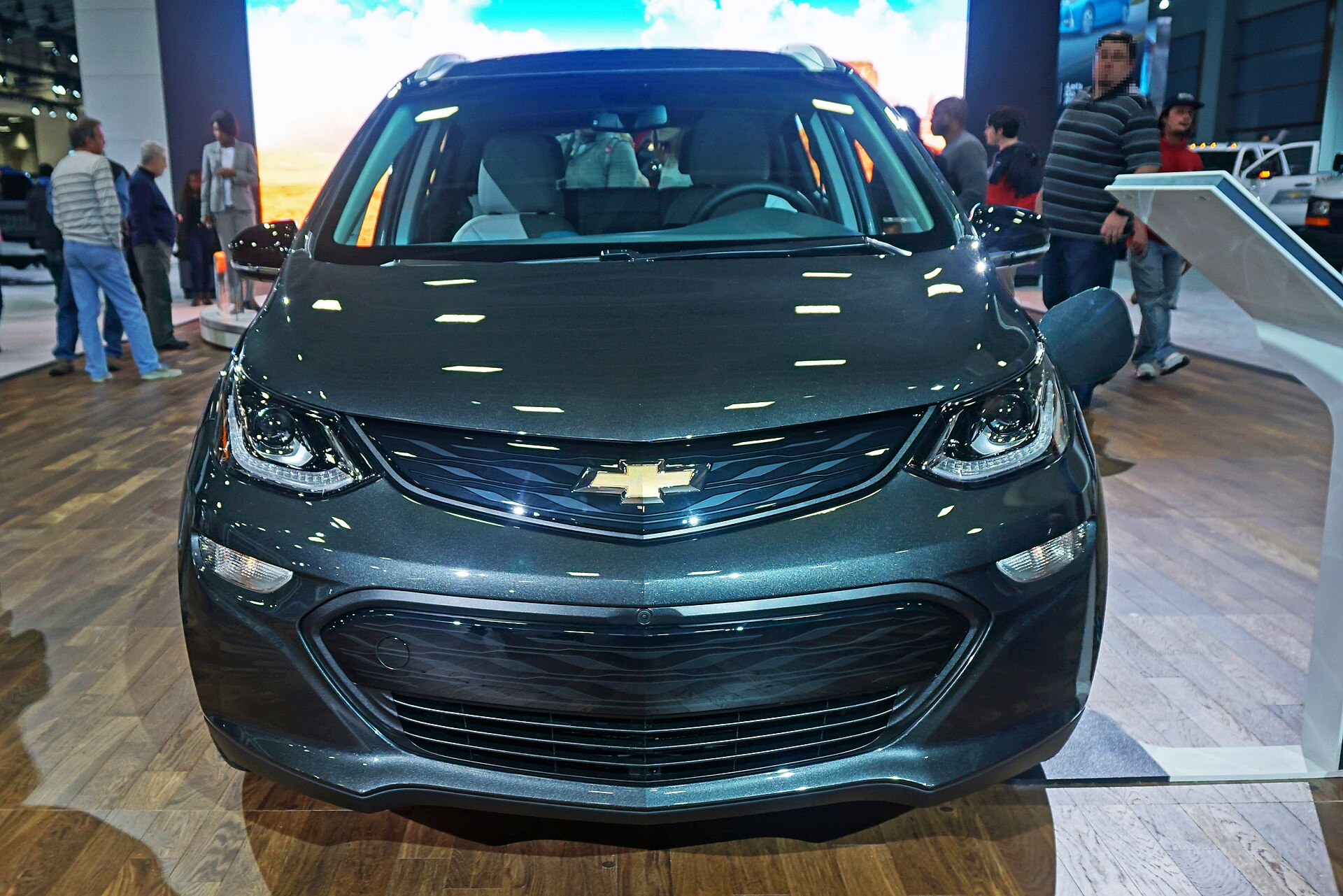
NHTSA announced that the 2017-2022 Bolt population was recalled for high-voltage battery fire risk. Remedy status can differ by VIN and repair history. Enter the VIN at NHTSA and the manufacturer portal, then compare the results with the seller’s repair invoice.
An open recall should trigger a remedy plan before purchase. A closed recall should trigger documentation—not blind confidence.
Technical Deep Dive 03Compare cost per 100 miles
Use your own utility rate, charging losses, gasoline price, and efficiency. An illustrative example:
- EV at 27 kWh/100 miles and $0.15/kWh: $4.05 per 100 miles before charging losses and fees.
- Hybrid at 45 MPG and $3.25/gallon: $7.22 per 100 miles.
Public fast charging can narrow or reverse the gap. Add home-charger installation, insurance, tires, registration, and expected resale to the five-year model.
05The takeaway: buy remaining utility, not original range
The best older EV is not necessarily the one with the highest displayed range. It is the one whose measured capacity, charging behavior, warranty runway, recall status, daily route, and purchase price work together.
Sources and verification notes
- U.S. Department of Energy Alternative Fuels Data Center, EV maintenance and battery warranties: https://afdc.energy.gov/vehicles/electric-maintenance
- Tesla vehicle warranty terms: https://www.tesla.com/support/vehicle-warranty
- Chevrolet EV ownership and battery warranty: https://www.chevrolet.com/electric/ownership
- NHTSA Bolt recall alert: https://www.nhtsa.gov/press-releases/recall-all-chevy-bolt-vehicles-fire-risk
- Energy-cost example is illustrative; replace rates and efficiency with local data and the exact vehicle.